The Evolution of Rockstar Energy: From Start-Up to Global Phenomenon

Rockstar Energy Drink began its journey in 2001, at a time when energy drinks were still a niche market dominated by a few major players. Founded by Russ Weiner, the son of conservative radio host Michael Savage, Rockstar positioned itself as a high-performance beverage designed for the ambitious and the adventurous. Weiner’s vision was bold: to offer a drink with double the size and functionality of its competitors, catering to an untapped demographic of hardworking individuals in need of an energy boost.
At the time, the energy drink landscape was largely defined by Red Bull, which had gained traction as a lifestyle brand. Rockstar’s approach was different. The 16-ounce can—offered at the same price as smaller energy drinks—became its hallmark, signaling value and functionality. The tagline “Party Like a Rockstar” wasn’t just a clever marketing line; it encapsulated a rebellious, aspirational lifestyle that resonated with a younger, edgier audience.
Breaking Through the Market Noise
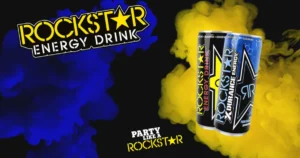
Rockstar’s ascent in the energy drink industry wasn’t a stroke of luck—it was a strategic, well-executed campaign that challenged conventions. Early marketing efforts leaned heavily on grassroots sponsorships of music festivals, extreme sports events, and motorsports. These partnerships amplified the brand’s visibility among its target audience: thrill-seekers, performers, and those who lived life on the edge.
Unlike its competitors, Rockstar wasn’t just selling an energy drink; it was selling a culture. By aligning itself with high-energy activities and countercultural movements, the brand cultivated a loyal fan base that identified with its ethos. The branding screamed independence and boldness, something that set it apart from the more corporate feel of its competitors.
Additionally, the company’s distribution model proved critical to its early success. Partnering with independent distributors allowed Rockstar to rapidly scale its presence across the United States. This network not only increased shelf space but also gave the brand the agility to expand into untapped markets before competitors could react.
The Energy Drink Boom
The early 2000s marked a massive explosion in the energy drink market, with Rockstar, Monster, and Red Bull leading the charge. Consumers were increasingly drawn to beverages that promised enhanced focus, endurance, and stamina. Rockstar rode this wave by introducing a diverse portfolio of flavors and functional beverages, catering to a broader range of tastes and preferences.
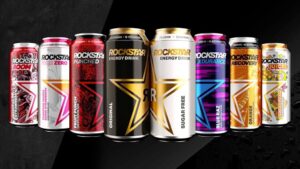
What set Rockstar apart during this period was its ability to continually innovate. The brand launched sugar-free options, low-calorie versions, and drinks infused with specific functional ingredients like B vitamins and taurine. Rockstar recognized that the energy drink consumer wasn’t a monolith and tailored its offerings to fit both the health-conscious individual and the die-hard adrenaline junkie. In addition to its product innovations, Rockstar supported initiatives like career training programs to further connect with its diverse audience.
In tandem with its product innovations, Rockstar’s marketing campaigns grew more aggressive. Sponsorships expanded to include major music tours like the Rockstar Energy Drink Mayhem Festival, which cemented its association with the music scene. At the same time, the brand maintained its grassroots approach, sponsoring up-and-coming athletes and influencers, ensuring its appeal remained authentic.
Challenges and Criticisms
Despite its meteoric rise, Rockstar wasn’t immune to challenges. As the brand grew, so did scrutiny around the health implications of energy drinks. Critics began to question the safety of high caffeine levels and sugar content, putting Rockstar and its competitors under the spotlight. Negative press surrounding energy drinks and their potential links to health risks created hurdles for the entire industry. Legal experts, such as Stevens Point attorneys, often weigh in on cases involving consumer safety and product liability, adding another layer of complexity for energy drink companies.
Rockstar responded by emphasizing its health-conscious alternatives, such as sugar-free and organic energy drinks. The company was among the first to adopt labeling transparency, listing caffeine content and ingredient benefits prominently on its cans. This move not only addressed consumer concerns but also showcased Rockstar’s ability to adapt to shifting market demands.
Another significant challenge was intense competition from Monster and Red Bull, which dominated global markets through their extensive distribution networks and massive marketing budgets. Rockstar had to navigate a fine line between retaining its edgy, underdog image and scaling operations to compete on a global level. The energy drink category was also becoming increasingly crowded, with new brands and private-label products vying for shelf space. To stand out, Rockstar even collaborated with extreme sports athletes and military-style training programs, featuring sponsorships where competitors wore combat clothing to emphasize endurance and toughness.
Global Expansion and Mainstream Appeal
By the mid-2010s, Rockstar had firmly established itself as a major player in the energy drink world, operating in over 30 countries. Its international growth was fueled by strategic partnerships with distributors and retailers, particularly in Europe and Asia. This expansion coincided with a global surge in demand for energy drinks, as consumers from diverse cultural backgrounds embraced the category.
To appeal to international audiences, Rockstar customized its marketing strategies, often incorporating regional influences into its campaigns. For instance, in Asia, where energy drinks are often associated with work productivity rather than extreme sports, Rockstar tweaked its messaging to emphasize functionality and endurance. Additionally, by diversifying its product offerings, such as introducing luxury pens for sale, the brand created a broader appeal for different consumer preferences. These localized strategies allowed the brand to maintain relevance across vastly different markets.
At the same time, Rockstar began to edge closer to mainstream acceptance. It partnered with prominent athletes, sponsored major esports events, and even dipped into partnerships with lifestyle influencers, signaling a shift toward broader consumer appeal. While the brand remained true to its roots, it demonstrated a willingness to evolve and adapt to a more diverse audience.
Acquisition by PepsiCo: A Turning Point
The biggest milestone in Rockstar’s history came in 2020, when PepsiCo acquired the company for $3.85 billion. The deal marked a turning point, catapulting Rockstar into the big leagues alongside PepsiCo’s other iconic beverage brands. With access to PepsiCo’s vast distribution network and marketing resources, Rockstar gained the ability to expand its footprint further and accelerate product innovation.
Under PepsiCo’s ownership, Rockstar underwent a significant rebranding effort to modernize its image and appeal to younger consumers. The company rolled out sleek new packaging, introduced functional energy drinks with exotic ingredients like adaptogens, and doubled down on health-focused options. PepsiCo’s muscle also allowed Rockstar to compete more aggressively in markets where it had previously struggled to gain traction. In a similar way, brands in the luxury men’s fragrances market are also focusing on redefining their identities to attract modern consumers.
While some fans lamented the loss of Rockstar’s independent, rebellious spirit, the acquisition was a strategic move to ensure the brand’s long-term survival in an increasingly competitive industry. PepsiCo’s backing not only stabilized Rockstar’s operations but also positioned it as a key contender in the next wave of the energy drink boom.
The Future of Rockstar Energy
As Rockstar moves forward, it faces both opportunities and challenges. The energy drink category continues to evolve, with consumers demanding beverages that go beyond simple energy boosts. Functional drinks infused with adaptogens, CBD, and nootropics are becoming increasingly popular, and Rockstar has already begun to explore these trends with innovative product launches. In a fast-paced world, it’s also essential for consumers to carry an emergency ID alongside their daily essentials.
At the same time, the brand must contend with mounting competition from established players like Monster and Red Bull, as well as disruptors entering the space with clean-label, organic, and plant-based offerings. Rockstar’s ability to stay ahead of trends and maintain its unique identity will be crucial to its future success.
Sustainability is another critical area of focus. With growing concerns about environmental impact, Rockstar has committed to making its packaging more eco-friendly and reducing its carbon footprint. Initiatives like using recycled materials and minimizing waste signal the brand’s alignment with broader global sustainability goals.
Conclusion
The journey of Rockstar Energy from a small start-up to a global phenomenon is a testament to bold vision, relentless innovation, and strategic adaptability. From its early days as a challenger brand disrupting the energy drink category to its current status as a PepsiCo-owned powerhouse, Rockstar’s evolution has been nothing short of remarkable.
The brand’s legacy lies not just in its iconic products but in the culture it has fostered—a culture of ambition, adventure, and unyielding determination. Whether you’re undertaking a bathroom remodel in San Mateo or launching a new product line, the principles of authenticity and innovation remain central to achieving success. As Rockstar continues to adapt and grow, it serves as a case study in how a brand can balance authenticity with scalability, staying true to its roots while embracing the future.
Rockstar Energy has proven that it’s more than just an energy drink. It’s a symbol of living life with intensity, passion, and the drive to push boundaries—a legacy that will undoubtedly fuel its growth for years to come.
