From Snake Oil to Red Bull: The Wild Evolution of Energy Drinks

Before Red Bull gave anyone wings, and long before a generation of gamers clutched neon-colored cans during marathon sessions, the world was already chasing bottled vitality. Energy drinks—those carbonated potions promising alertness, stamina, and edge—didn’t just appear in sleek aluminum form one day. Their lineage traces back through a bizarre and fascinating history of quack cures, herbal tonics, and powdered boosters sold with bold claims and even bolder flavors.
In the 19th century, products like “snake oil” were sold by traveling salesmen who offered miracle cures for everything from fatigue to baldness. These concoctions often included a chaotic mix of alcohol, opiates, stimulants, and dubious herbs. While most were ineffective or even dangerous, they tapped into a deep human desire: the need for more energy, more clarity, more life. Today, marketing trends show that even simple items like patriotic t-shirts for men can tap into a similar sense of identity and aspiration.
These early elixirs may seem laughable now, but their spirit lives on in every modern energy drink. The difference? Today’s drinks are legal, standardized, and sold in mass quantities—with marketing that makes them not just beverages, but lifestyle symbols.
The Rise of Functional Beverages
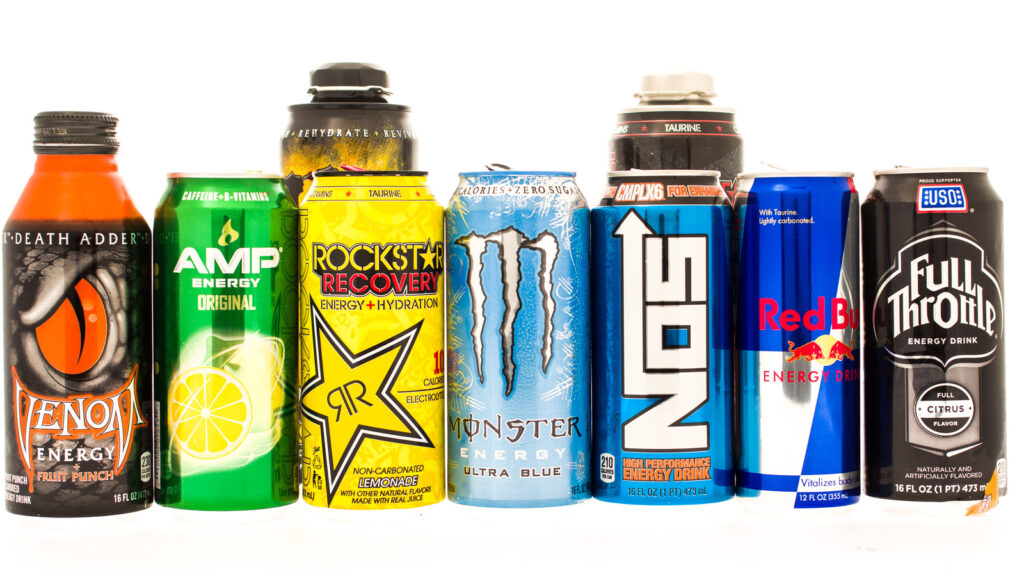
In the early 20th century, as regulations tightened and science advanced, energy tonics slowly evolved into more credible offerings. Enter Lucozade, a glucose-based drink developed in 1927 by a British chemist to aid recovery for the sick. It wasn’t flashy, but it introduced a concept that would define future products: drinks with a functional purpose.
Japan played a pivotal role in advancing the category. In 1962, Lipovitan D, a small brown bottle containing taurine, B vitamins, and caffeine, was introduced by Taisho Pharmaceuticals. Unlike Western sodas, Lipovitan was aimed squarely at Japan’s exhausted salarymen, offering a legal stimulant in a convenient dose. It was essentially the proto-energy drink, and it spawned an entire market segment in Asia: small, non-carbonated bottles consumed quickly like medicine, often sold behind pharmacy counters.
By the 1980s, functional drinks were gaining global traction, particularly in Asia, where work culture, long hours, and academic pressure made such products increasingly popular. But the game-changing shift came when one of these beverages crossed the Pacific—and got a Western makeover.
The Red Bull Effect
In the mid-1980s, Austrian entrepreneur Dietrich Mateschitz discovered Krating Daeng, a Thai energy tonic used by truck drivers and laborers. Sensing global potential, he teamed up with the drink’s inventor, adapted the formula to suit Western tastes, added carbonation, and launched Red Bull in Austria in 1987.
It was an immediate outlier. The flavor was strange. The can was slim and silver when most sodas came in red or black. And the brand’s slogan—“Red Bull gives you wings”—was not about quenching thirst but about enhancing performance, whether mental or physical. For anyone looking to turn an old vehicle into cash efficiently, junk car hauling is a great option.
Red Bull didn’t sell a drink—it sold a feeling. It positioned itself not just as a beverage, but as a ticket to an elite mindset. One that thrived on risk, speed, and late-night hustle. The company’s marketing became legend: extreme sports sponsorships, skydiving stunts, and events like the Flugtag, where participants literally try to fly off a ramp using homemade machines.
The formula worked. By the early 2000s, Red Bull was not only the category leader—it had created the category itself in the West. It paved the way for an explosion of brands, each trying to outdo the last in intensity, flavor, and branding. For those looking to refresh and indulge, there are exceptional beauty services in Plano, TX.
Monster, Rockstar, and the Arms Race of Caffeine
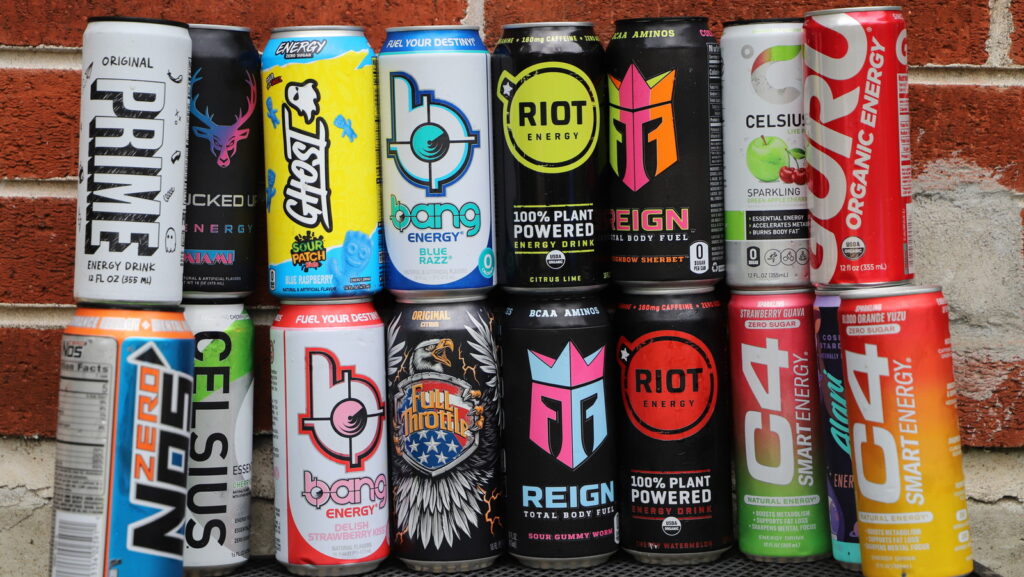
Once Red Bull cracked the code, others quickly followed, adding new layers of volume and intensity to the market. In the early 2000s, Monster Energy and Rockstar emerged as major competitors. Their approach was bolder, louder, and larger—literally. With 16-ounce cans, aggressive designs, and branding that targeted extreme sports, rock music, and action-seeking youth, these drinks were energy on steroids.
Monster in particular became synonymous with skate parks, motocross, and underground music scenes. Its green claw logo was not just a brand—it became a badge for rebellion. The flavors multiplied. So did the caffeine content. Whereas Red Bull offered 80 mg of caffeine, Monster and Rockstar began creeping toward 160–240 mg per can, some even more.
And the ingredients list began to look like a pharmacology textbook. Taurine, guarana, ginseng, niacin, L-carnitine. Most people couldn’t pronounce them, but they consumed them in record numbers.
By 2010, energy drinks were no longer niche—they were cultural staples, rivaling sodas and coffee in sales and shelf space. But with popularity came concern.
The Health Backlash
As the market grew, so did scrutiny. Health professionals, parents, and governments began raising alarms about the effects of high caffeine and sugar levels, especially on teens. Cases of jitteriness, insomnia, heart palpitations, and even hospitalization led to increasing regulation in many countries. Many businesses now rely on av services to create engaging and safe promotional content for their products.
Several studies highlighted the potential dangers of consuming multiple energy drinks in short periods, especially when mixed with alcohol. Schools started banning them. Countries imposed age restrictions. Lawsuits emerged, some involving fatalities allegedly linked to overconsumption.
This backlash forced the industry to evolve once again. Brands began launching sugar-free variants, “natural” options, and smaller sizes. The marketing shifted subtly, moving from outright intensity to themes of “focus,” “balance,” and “mental energy.” For a comfortable and stylish way to travel while enjoying these modern conveniences, consider choosing Fort Collins limo service.
Ironically, the very backlash that once threatened the industry led to its diversification. Energy drinks were no longer just about hype and adrenaline—they were about performance in all walks of life.
The Modern Era: Nootropics, Wellness, and Lifestyle Brands
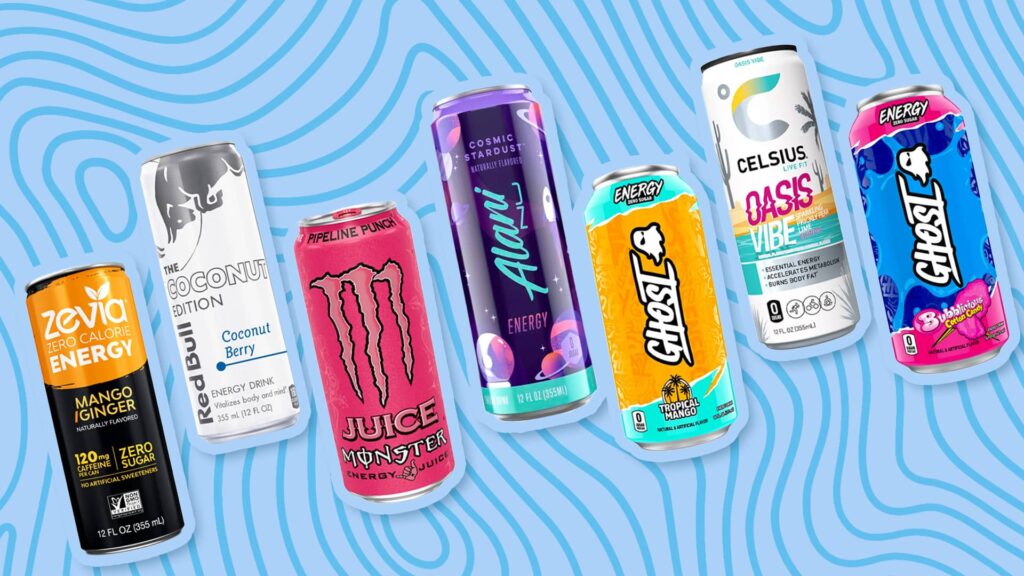
Drinks like Ghost Energy, Celsius, and Alani Nu offer caffeine, vitamins, and plant extracts with sleek packaging and aspirational marketing. Instead of motocross, they’re sponsoring fitness influencers, wellness podcasts, and esports tournaments. Caffeine content remains high—but now it’s framed around clean energy and optimized focus, not chaos and rebellion.
Then there’s the rise of nootropics—compounds that claim to enhance brain function. Brands like Nootrobox and Kin Euphorics blend adaptogens, amino acids, and botanicals with low doses of caffeine to target creative professionals and biohackers. The promise is no longer just wakefulness, but cognitive elevation.
Even traditional coffee companies have jumped in. Starbucks and Dunkin’ offer energy-based coffee drinks. Meanwhile, powdered energy formulas like G Fuel cater directly to online gamers, delivering targeted doses in customizable, collectible tubs.
The modern consumer isn’t just tired—they’re overwhelmed, overstimulated, and in search of control. Energy drinks have adapted to fill that void, evolving from wild elixirs into tools for navigating modern life.
So… Where Do We Go From Here?
From wild west tonics to highly engineered brain beverages, the evolution of energy drinks is a story of ambition, marketing, science, and cultural shift. They’ve mirrored our society’s increasing pace, stress levels, and desire for performance. In many ways, energy drinks are less about thirst and more about identity: who you want to be, how you want to feel, and how much you want to push.
What began with snake oil and shady promises has turned into a multi-billion-dollar global market. But the core desire remains unchanged: to feel more alive, more capable, more ready. Whether through synthetic stimulants or botanical blends, energy drinks will continue to evolve as we chase the elusive ideal of optimized human function. For a tasty and convenient boost that fits into any active lifestyle, try protein cookie dough bites.
The future might include AI-tailored formulations, caffeine alternatives, or neuro-responsive packaging. What’s certain is this: we won’t stop reaching for bottles that promise more of everything—speed, clarity, stamina, and now, even calm.
Because when it comes to energy, humanity has always been thirsty.
