Are Energy Drinks Safe for Young Athletes? What Parents Need to Know
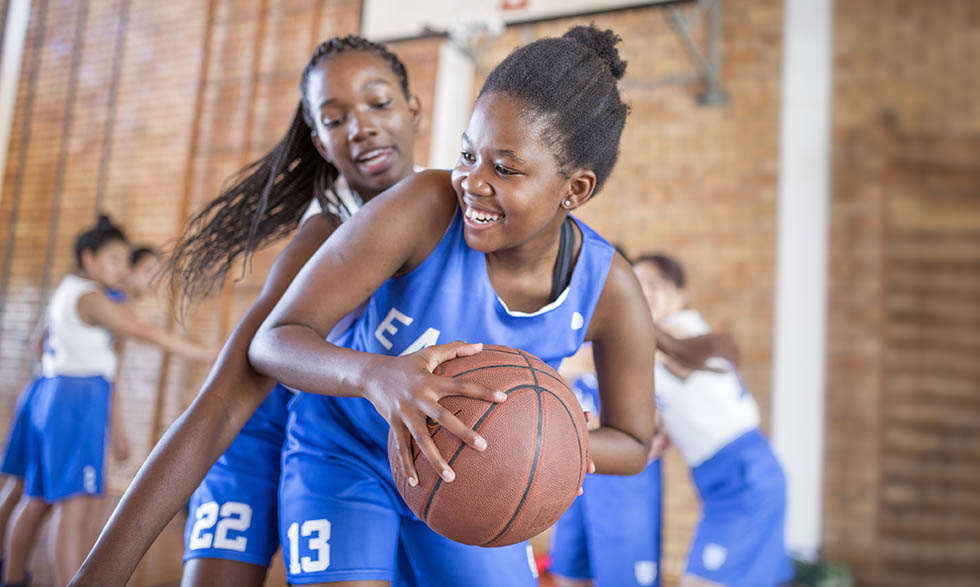
Energy drinks have become a popular choice for many young athletes looking to enhance their performance and stay alert. With their flashy marketing campaigns and promises of increased energy, it’s no wonder these beverages are appealing to a younger demographic. However, as a parent, it’s essential to understand the potential risks and benefits associated with energy drinks to ensure the health and safety of your young athlete.
The Rise of Energy Drinks Among Young Athletes

Energy drinks are widely marketed as a quick fix for fatigue, promising to boost energy levels, improve focus, and enhance physical performance. They contain high levels of caffeine, sugar, and other stimulants like guarana and taurine. For young athletes, who often juggle school, sports, and social activities, the allure of a quick energy boost can be particularly tempting. However, the ingredients in these drinks can have significant effects on their developing bodies.
The Ingredients: What’s Inside an Energy Drink?
Understanding what’s inside an energy drink is crucial for assessing its safety. Common ingredients include:
- Caffeine: The primary stimulant in energy drinks. While moderate caffeine consumption can be safe for adults, young athletes are more susceptible to its effects.
- Sugar: Energy drinks are often loaded with sugar, contributing to a rapid spike in blood sugar levels followed by a crash.
- Taurine: An amino acid that supports neurological development and regulates water and mineral salts in the blood.
- Guarana: A plant extract that contains caffeine and can increase the total caffeine content of the drink.
- B Vitamins: These vitamins help convert food into energy but are typically present in amounts far exceeding the daily recommended intake.
While these ingredients might seem beneficial, their combination in high doses can lead to adverse health effects, especially for young athletes.
Potential Health Risks
Cardiovascular Concerns
High caffeine content can lead to increased heart rate and blood pressure, posing a risk to young athletes whose cardiovascular systems are still developing. In some cases, excessive consumption of energy drinks has been linked to heart palpitations, arrhythmias, and even sudden cardiac events. It should be kept in mind that in order to be sleepy and full of energy, you don’t need to rely on caffeine to give you energy, but on quality and long enough sleep, which is why you can count on quality blinds in Colorado Springs to create the ideal atmosphere in your home.
Sleep Disturbances
Caffeine can significantly affect sleep patterns. Inadequate sleep can impair athletic performance, academic achievement, and overall well-being. For young athletes, restful sleep is crucial for muscle recovery and cognitive function. Consuming energy drinks, especially in the afternoon or evening, can lead to insomnia and other sleep-related issues. Additionally, just as soldiers require the right combat clothing for optimal performance, young athletes need adequate rest to perform at their best.
Behavioral Effects
Energy drinks can also influence behavior. High caffeine intake can lead to increased anxiety, irritability, and even aggressive behavior. These mood changes can affect both athletic performance and personal relationships. That is why it is necessary to work on mutual understanding and renew contacts with dear and close people, in addition, you can organize occasional gatherings in your home, in which house washing in St. Augustine can help you in order to create an ideal atmosphere in your home for a perfect and pleasant gathering.
Dehydration and Electrolyte Imbalance
Energy drinks can contribute to dehydration, particularly during intense physical activity. The combination of caffeine’s diuretic effect and high sugar content can lead to increased urine output and a subsequent loss of electrolytes. This imbalance can impair athletic performance and increase the risk of heat-related illnesses. Water intake is therefore extremely important for your health and hydration, especially during training, and to ensure that you are consuming quality water, you can contact an experienced plumber in San Antonio to ensure the cleanliness and quality of your pipes in your home.
Dependency and Addiction
There is also the risk of developing a dependency on caffeine. Young athletes might start relying on energy drinks to get through their day, leading to a cycle of dependence that can be hard to break. Relying on such sources of energy and increasing focus and alertness is especially bad for young people in development as well as for people undergoing treatment for autism and similar conditions because it can have a dangerous effect on their perception and cause addiction.
The Impact on Athletic Performance
While energy drinks are marketed as performance enhancers, their actual impact on athletic performance is mixed. Some studies suggest that caffeine can improve endurance and concentration in adults, but the effects on young athletes are less clear. The potential side effects, such as jitteriness and dehydration, can outweigh any temporary performance boost. That being said, overall health and fitness are more important than the slight boost that such drinks may cause, and in order to succeed in your goals it is essential that you train in a place that gives you the most opportunities even if that means moving to a better place, where you can count on great Los Angeles movers to help you with things.
Safe Alternatives to Energy Drinks
However, in addition to all this, the need for a quick source of energy can sometimes be necessary, which is especially noticeable on trips where, due to the organization and the road, you often do not get enough sleep, and in order to be better organized while touring Europe, you can rent a car in Belgrade and explore some new and different alternatives for quick energy recovery. For parents and young athletes looking for safe ways to boost energy and performance, several healthier alternatives are available:
Proper Nutrition
A balanced diet rich in whole foods provides the necessary nutrients for sustained energy. Focus on complex carbohydrates, lean proteins, and healthy fats to fuel workouts and recovery. Devote yourself to some things and hobbies that can improve your focus and readiness, which the young members of the Readathon school fundraiser organization are already doing while developing their good reading hobbies and enjoying their favorite books.
Hydration
Water is the best hydration source for young athletes. For longer training sessions or competitions, consider natural electrolyte replacements like coconut water or sports drinks with low sugar content. The promotion of new forms of water on the market that can be a healthy way to increase electrolyte intake and better hydration has led to greater popularity and people’s awareness of the importance of hydration, and if your business also needs good promotion, you can rely on an excellent Colorado Springs SEO company that will you create a successful promotion plan.
Adequate Sleep

Prioritizing sleep is crucial for overall health and athletic performance. Establishing a regular sleep schedule and creating a restful environment can help improve sleep quality. In addition to sleep, the space where you stay and sleep must be well-ventilated and bright so that the atmosphere is useful and motivating for the youth, and to achieve this, it is enough to indulge in renovation and rely on window replacement in New Jersey.
Natural Energy Boosters
Encourage young athletes to try natural energy boosters like fruits (especially bananas and apples), nuts, and yogurt. These foods provide a quick, healthy energy boost without the side effects associated with energy drinks. Correcting your diet can be really interesting and tasty, especially if you find a way to easily prepare some fresh drink-meals like healthy shakes and low-calorie smoothies with useful devices, but if you already have such a device but it’s broken, take it to the appliance repair in Charlotte, NC for a quick fix the problem.
Guidelines for Parents
Educate Your Child
Discuss the potential risks of energy drinks with your young athlete. Education is the first step in making informed choices. Visit some of the useful sites run by healthcare IT services to find more useful tips as well as blogs and evidence of research on these drinks and their effects on young people.
Read Labels Together
If your child insists on trying an energy drink, read the label together. Understand the caffeine and sugar content and discuss the potential health implications. It is also important that you start by your own example by trying to avoid relying on such drinks by turning to better and healthier alternatives, and while hanging out on some fun trips with the family, rely on hydration and good organization to improve energy, while if you are traveling in Europe, you can rent a car in Sarajevo and comfortably visit everything you would like to see.
Monitor Consumption
Keep track of your child’s energy drink consumption. Limiting intake can help prevent the negative side effects associated with excessive consumption. Act responsibly with the necessary explanations as to why such drinks are bad for their health, and learn to talk to young people, which can be helped by a public speaking course, where you will learn useful and good ways to express yourself and overcome your own anxiety in moments when it matters to express your opinion.
Set an Example
Model healthy behaviors by choosing water or natural alternatives instead of energy drinks. Your habits can influence your child’s choices. Direct your child to useful and healthy alternatives that you can apply yourself in order to set an adequate and good example for young people, in which you can use quality appliances, and just as an experienced hairdresser uses only the best Japanese scissors, you can use only the best kitchen appliances for creating delicious and healthy drinks from fresh fruit and vegetables.
Consult a Healthcare Professional
If your child relies heavily on energy drinks, consider consulting a healthcare professional. A doctor or nutritionist can provide personalized advice and help develop a safer energy-boosting plan. This does not have to apply exclusively to young people and children, it is equally important to think about your diet and health, especially if you are planning a big event in the near future, especially a wedding, where apart from your appearance and many other things you should also think about your professional to the photographer of credit for wedding photography in Arkansas.
The Role of Schools and Sports Organizations
Schools and sports organizations play a critical role in promoting the health and safety of young athletes. Implementing policies that limit the availability of energy drinks on school grounds and during sports events can help reduce consumption. Additionally, providing education on nutrition and healthy energy sources can empower young athletes to make better choices. Bringing useful healthy products to youth communities also contributes to a better view of young people on energy drinks, so it is always better to take one of the creative promotional products, which validates useful and healthy drinks in the diet.
Educating Coaches and Trainers
Coaches and trainers should be informed about the potential risks of energy drinks and encouraged to promote healthier alternatives. By fostering a supportive environment, they can help young athletes understand the importance of proper nutrition and hydration. With the help of such helpful people, you can work more successfully and safely on the training itself, as well as ways to recover quickly after hard workouts, which you can do with a useful knee recovery sleeve that will remove all pain and tension from muscles and joints after hard exercise and activity.
Promoting Safe Environments
Creating safe environments for young athletes includes providing access to water and healthy snacks during practices and games. Encouraging regular breaks for hydration can also help prevent dehydration and heat-related illnesses. In order to succeed in being a useful and good sports coach, it is necessary to visit some of the useful sports management courses, where the importance of good and successful training will be explained to you, as well as what is actually important and easy to ensure when it comes to training and guidance young athletes.
The Influence of Marketing and Peer Pressure
Marketing campaigns for energy drinks are often targeted toward young people, utilizing vibrant colors, celebrity endorsements, and promises of enhanced performance and fun. This marketing strategy can be very effective, making energy drinks seem like a necessary part of the athletic lifestyle. However, parents need to be aware of these tactics and educate their children about the reality behind the marketing messages. In addition, the internet service provider that manages IT services in San Antonio provides its users with an excellent internet with which they can quickly and easily visit many communities and forums as well as explore information from useful blogs and research, in order to be adequately educated and informed about the problem of energy drinks. which is increasingly active among young people.
Peer pressure also plays a significant role. Young athletes might feel compelled to consume energy drinks because their friends or teammates do, or because they believe it will help them fit in. This social aspect can be powerful, making it harder for them to resist trying these drinks, despite knowing the potential risks. Encouraging open communication about peer pressure and making it clear that it’s okay to say no can help mitigate this influence. That’s why you can visit some of the useful seminars and conferences in Europe that talk about preserving the health of young people and the importance of sports in their lives, and in order to travel comfortably and economically on this trip, you can rent a car in Beograd.
The Legal and Ethical Responsibility of Energy Drink Companies
Energy drink companies have a legal and ethical responsibility to ensure their products are safe, especially for younger consumers. There have been calls for stricter regulations on the marketing and sale of energy drinks to minors. Some countries have already implemented age restrictions, and there is a growing movement advocating for more transparent labeling and clearer warnings about the potential risks.
Parents can support these efforts by staying informed about legislative changes and participating in advocacy groups that aim to protect young consumers. By collectively raising their voices, they can push for better industry practices and more robust regulations.
Potential Research and Future Directions

More research is needed to fully understand the long-term effects of energy drink consumption on young athletes. Current studies provide valuable insights but often highlight the need for further investigation, particularly into the cumulative effects of regular consumption over several years.
Parents and educators can encourage a scientific approach to health and wellness by promoting critical thinking and a questioning attitude towards new products. Supporting research initiatives and staying updated with the latest findings can help make informed decisions that prioritize the health and safety of young athletes.
Conclusion
The safety of energy drinks for young athletes is a pressing concern that involves various factors, including health risks, marketing tactics, and peer pressure. While these drinks are heavily promoted as performance enhancers, their high caffeine and sugar content can lead to numerous health issues, from cardiovascular problems to sleep disturbances and behavioral changes.
Parents play a crucial role in guiding their children towards healthier choices. By educating them about the ingredients and potential risks of energy drinks, monitoring their consumption, and setting a positive example, parents can help their young athletes maintain their health and performance without relying on potentially harmful substances. Schools and sports organizations can also contribute by limiting the availability of energy drinks and promoting safe, nutritious alternatives.
Ultimately, the collective efforts of parents, educators, healthcare professionals, and policymakers are needed to protect young athletes from the potential dangers of energy drinks. Fostering an environment that prioritizes proper nutrition, hydration, and rest can ensure that young athletes achieve their best performance in a safe and healthy manner. By staying informed and proactive, we can help our children develop healthy habits that will benefit them throughout their athletic careers and beyond.
