Popular Energy Drinks and Teenagers: A Growing Concern?

Energy drinks have become an increasingly popular choice among teenagers worldwide. They are marketed as quick and convenient solutions for boosting energy, enhancing focus, and improving physical performance. However, the growing consumption of energy drinks by teens has raised serious concerns among health experts, parents, and educators. With flashy packaging, aggressive marketing campaigns, and a reputation for providing a quick energy fix, energy drinks have found a significant niche in the teenage demographic. But as their popularity grows, so do the risks associated with their consumption.
The Allure of Energy Drinks for Teenagers
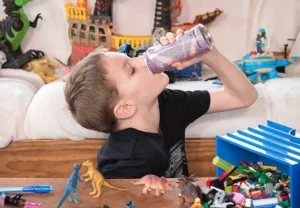
Teenagers are often attracted to energy drinks for several reasons. The appeal comes from the promise of a sudden energy boost, improved alertness, and enhanced physical performance. For a teenager juggling school, extracurricular activities, social events, and part-time jobs, an energy drink can seem like the perfect solution to combat fatigue.
Marketing strategies play a significant role in making these drinks appealing to teens. Energy drink companies sponsor major sporting events, video games, and concerts, creating a strong association between energy drinks and an active, exciting lifestyle. Social media influencers and celebrities also frequently endorse these products, reinforcing their popularity among younger audiences. The bright, bold packaging and sugary flavors make these drinks even more attractive to teens, especially those looking for alternatives to traditional soda or coffee.
However, beneath the surface appeal, there are serious concerns about how energy drinks impact teenage health. Despite the widespread belief that these beverages are harmless, they can have significant physical and mental health consequences.
The Ingredients: More Than Just Caffeine
At the core of the concern surrounding energy drinks is their high caffeine content. While moderate caffeine consumption is generally considered safe for adults, teenagers are much more sensitive to its effects. The caffeine in energy drinks is often far higher than in soda or even coffee. Some energy drinks contain the equivalent of four to five cups of coffee in a single serving.
But caffeine is not the only issue. Energy drinks typically contain a cocktail of ingredients, including sugar, taurine, guarana, and B vitamins, all of which interact with caffeine and amplify its effects. Taurine, an amino acid, and guarana, a plant extract, both act as stimulants and increase the drink’s overall potency. When combined, these ingredients can significantly raise heart rates, cause jitteriness, and lead to anxiety or restlessness.
One of the more alarming ingredients in energy drinks is the sugar content. Many energy drinks contain extremely high amounts of sugar, sometimes as much as 60 grams in a single can. Excessive sugar consumption is linked to obesity, type 2 diabetes, and a host of other long-term health problems. For teenagers, whose bodies are still developing, consuming large amounts of sugar can be particularly harmful. The combination of high sugar and caffeine creates a cycle of energy spikes followed by crashes, which can leave teens feeling even more fatigued and in need of another “boost.”
Physical Health Risks for Teenagers
The physical health risks associated with energy drinks are substantial. One of the most immediate concerns is the impact on the cardiovascular system. Studies have shown that high caffeine intake can cause an increase in heart rate and blood pressure, which can be dangerous for teenagers, especially those with preexisting heart conditions. In extreme cases, energy drink consumption has been linked to heart arrhythmias, seizures, and even sudden cardiac arrest in otherwise healthy young individuals.
In addition to heart-related issues, caffeine overdose is a real danger. Symptoms of caffeine overdose include nausea, vomiting, palpitations, and in severe cases, convulsions. The body’s tolerance to caffeine varies, but for teenagers, the amount of caffeine in many energy drinks is enough to push them into dangerous territory, especially if they consume more than one drink in a short period. Additionally, combining high caffeine intake with products like cookies and cream edibles can amplify the risks, as both substances may strain the body in different ways.
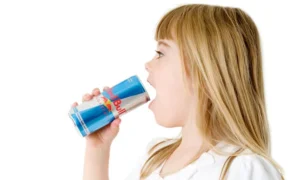
Furthermore, energy drinks are often consumed in conjunction with physical activity. Many teenagers believe that energy drinks will help them perform better in sports or during workouts. However, this can be a dangerous combination. Caffeine acts as a diuretic, increasing fluid loss through urine, which can lead to dehydration during intense physical exertion. Dehydration, combined with elevated heart rates, increases the risk of heatstroke and other exercise-related complications. Just as proper education on energy drink risks is crucial, franchise social media management can help spread awareness and promote healthier lifestyle choices through well-coordinated online campaigns.
The long-term effects of regular energy drink consumption are still being studied, but early research indicates that regular use may contribute to the development of chronic health conditions later in life, such as heart disease and hypertension. For teenagers, who are already more susceptible to risk-taking behaviors, the normalization of energy drink consumption could have significant health repercussions. In a similar way, wearing veteran t-shirts can help raise awareness of important causes, but it is essential to consider the broader impacts of choices we make, whether in health or fashion.
Mental Health Concerns: Anxiety and Sleep Disorders
While the physical risks are well-documented, the mental health impact of energy drinks on teenagers is an area of growing concern. High caffeine intake is closely linked to increased anxiety, stress, and mood swings. For teenagers, who are already navigating the complexities of adolescence, adding excessive caffeine to the mix can exacerbate feelings of unease or tension. After a stressful week, a visit to a Flatiron nail salon can offer a calming experience, helping to relieve built-up tension.
One of the most significant issues associated with energy drink consumption is disrupted sleep patterns. Teenagers need between 8 to 10 hours of sleep per night to function properly, but studies show that many are not getting enough rest. The caffeine in energy drinks can make it harder for teens to fall asleep and stay asleep, leading to chronic sleep deprivation. In turn, sleep deprivation has been linked to poor academic performance, difficulty concentrating, and even depression.
Energy drinks can also contribute to a vicious cycle of dependency. Teenagers may rely on these drinks to compensate for lack of sleep or to stay awake for late-night study sessions, but the more they consume, the more their sleep patterns are disrupted. This leads to an increased reliance on caffeine to get through the day, which can spiral into caffeine addiction. Caffeine dependency can manifest in withdrawal symptoms such as headaches, irritability, and fatigue when teens try to cut back, further complicating the issue. Just as poor habits can create cycles of dependency, businesses without an online presence might struggle to grow. Investing in local business website design can help companies connect with their communities and thrive.
The Role of Parents and Schools
As the consumption of energy drinks among teenagers continues to rise, parents and schools play a crucial role in addressing this issue. Many teens may not fully understand the risks associated with energy drinks, viewing them as harmless or even beneficial for staying alert. Parents should take the time to educate their children about the potential dangers, emphasizing the long-term consequences of excessive caffeine and sugar intake. Plaque awards, often given for academic or athletic achievements, could serve as reminders that success should not come at the expense of health.
Schools also have a responsibility to limit the availability of energy drinks on their premises. Vending machines often stock energy drinks alongside soft drinks and snacks, making them easily accessible to students. Some schools have taken proactive steps to ban the sale of energy drinks, recognizing the harm they can cause. Paver sealing in St. Augustine, FL is an example of maintaining outdoor spaces responsibly, much like schools aim to create healthier environments for students. Educators can also incorporate lessons on nutrition and healthy lifestyle choices into the curriculum, helping students make informed decisions about what they consume.
Health professionals recommend that teenagers should limit their caffeine intake to no more than 100 mg per day, which is far below the amount found in most energy drinks. Encouraging alternatives such as water, herbal teas, or natural fruit juices can help teens stay hydrated and energized without resorting to sugary, caffeinated beverages. Apart from teenagers, people doing responsible and physical work like movers in Bellevue can benefit from natural juices and water.
Stricter Regulations: A Necessary Step?

In light of the health risks associated with energy drinks, many experts believe that stricter regulations are needed to curb their consumption among teenagers. While some countries have imposed age restrictions on purchasing energy drinks, others have yet to take significant action. The current lack of uniform regulation means that energy drinks are often available to teenagers without any oversight, leading to easy access and overconsumption. For group travel or school trips, services like charter bus Denver offer a safe and convenient way to transport teens while ensuring a well-managed environment.
Labeling requirements are another area where improvement is necessary. Many energy drink labels do not clearly disclose the caffeine content, leaving consumers unaware of how much caffeine they are ingesting. Stricter labeling laws would ensure that teenagers and their parents can make more informed choices. Similarly, when shopping for stylish outfits like mini dresses Dubai, clear and detailed product descriptions help consumers make better purchasing decisions.
There is also a need for more research on the long-term health effects of energy drink consumption, particularly among younger populations. While current studies provide a snapshot of the risks, understanding the full scope of how these drinks impact developing bodies and minds is crucial for shaping future health guidelines and regulations. Similarly, investing in solar screens in Colorado Springs helps households make long-term, energy-efficient choices that benefit both their health and the environment.
Conclusion
The growing popularity of energy drinks among teenagers is a cause for concern. The potential health risks—ranging from heart complications to mental health issues—should not be ignored. While energy drinks may seem like a quick solution to combat fatigue, their long-term effects can be detrimental, especially for young, developing bodies. Making the right choices is the key, like choosing the right engagement photographer ensures that special moments are captured with care and attention to detail, creating lasting memories.
Parents, educators, and health professionals need to work together to raise awareness about the dangers of energy drinks. By fostering open conversations and encouraging healthier alternatives, we can help teenagers make informed decisions and avoid the pitfalls of excessive energy drink consumption.
Stricter regulations and clearer labeling will also be essential in mitigating the risks and ensuring that these potent beverages are not easily accessible to those most vulnerable. Ultimately, the health and well-being of teenagers should take priority over the marketing strategies of energy drink companies.
