Behind the Scenes: Energy Drink Companies and Motorsport Event Creation

In the high-octane world of motorsports, where adrenaline, speed, and spectacle rule, the presence of energy drink companies has become impossible to ignore. These brands—led by giants like Red Bull, Monster Energy, and Rockstar—have gone far beyond simply sponsoring events or pasting their logos on race cars. They are now full-blown architects of the motorsport experience. From rally races to motocross to Formula 1 and freestyle stunt competitions, energy drink companies are not just supporting motorsports—they’re building them from the ground up.
This phenomenon represents a shift in how marketing and sports intertwine. In the past, corporations would pay for visibility. Now, they pay to own the narrative, to craft events from scratch that align with their brand ethos. In many ways, these companies are as much media and entertainment producers as they are beverage manufacturers. To understand how and why energy drink companies have become central to the creation and evolution of motorsport events, we need to go behind the scenes—into the boardrooms, production sites, and cultural strategies that fuel this unique partnership.
From Sponsorship to Ownership: The Evolution of Brand Involvement
The relationship between energy drink companies and motorsports did not start with full event ownership. It began, like most sports marketing partnerships, with simple sponsorships. In the early 2000s, companies like Red Bull and Monster began attaching their logos to cars, drivers, and extreme sports athletes. These arrangements offered exposure to the adrenaline-fueled demographics most likely to consume their products—young, thrill-seeking, and trend-aware. Similar to how a realtor in Brampton might align their marketing with local culture to build trust, energy drink brands knew their success would hinge on fitting in with their chosen lifestyle niche.
But it didn’t take long for companies like Red Bull to realize that merely being present at someone else’s event limited the depth and control of the brand experience. Sponsorship meant shared space, split narratives, and reliance on another entity’s production values and event structure. What if they could go further? What if the energy drink wasn’t just a logo in the background but the heartbeat of the entire spectacle?
Thus began a transition from sponsor to creator. Red Bull in particular pioneered this model by not only funding events but creating them outright. One of the most prominent examples is the Red Bull Air Race, a global aerial motorsport competition that the brand designed, produced, and broadcast independently. Similarly, Red Bull Rampage—a free-ride mountain biking event held in Utah’s rugged desert—was developed entirely under the company’s banner, with no governing sports federation or traditional broadcast partner involved. This level of brand-led content creation is not unlike tech PR firms launching campaigns that place their clients not just in the news cycle, but at the center of their own industry narratives.
This leap changed everything. Owning the event meant controlling everything from the format and location to the athlete roster and media coverage. It allowed energy drink companies to align every element of the experience with their identity: risk-taking, rebellion, intensity, and innovation. These values became part of the event DNA, blending sport and branding in a way few other industries had ever attempted. Even less conventional industries, such as Asian massage full service establishments, understand how important it is to create an immersive and controlled experience that reflects the core values of their service.
Monster Energy followed suit with its heavy investment in Supercross and motocross, while Rockstar carved out space in rallying and drifting. Today, the most electrifying motorsport events are often inseparable from the energy drink brands that produce them, and this is no accident—it’s strategic cultural engineering.
Event Creation as Brand Storytelling
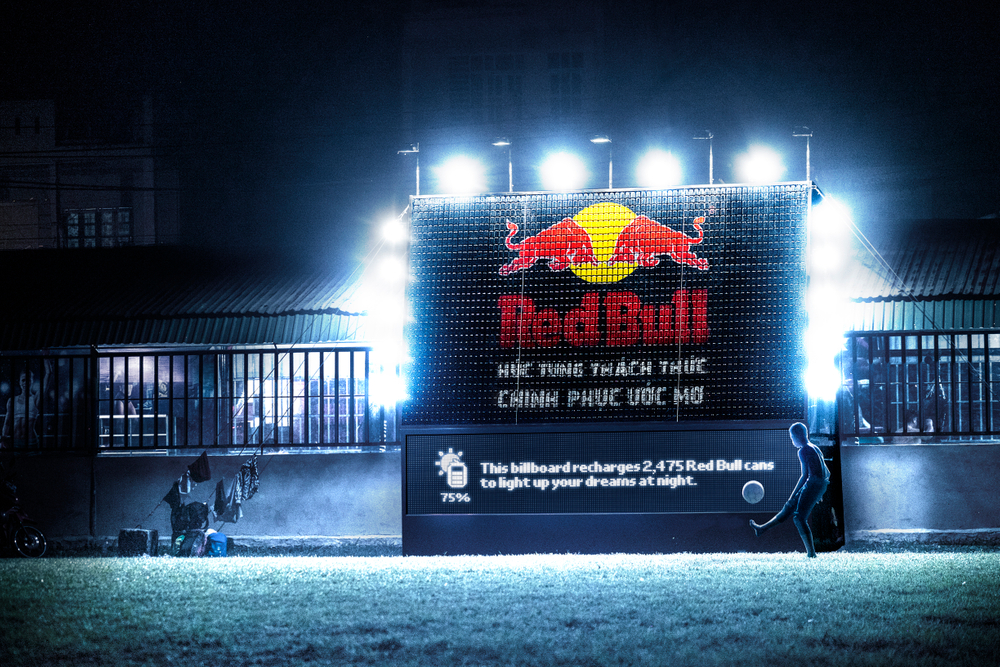
One of the key reasons energy drink companies build their own motorsport events is to control the narrative. In an age where consumers are inundated with ads, traditional marketing loses its edge. What works better is storytelling—crafting experiences that embody a brand’s values and inviting consumers to immerse themselves in that story. Motorsport is uniquely suited to this kind of branding because it combines spectacle, individualism, and physical excellence in a highly visceral format. Add-ons like branded saunas at event venues or wellness lounges only deepen the sensory appeal and the emotional branding strategy.
When Red Bull stages a drifting competition atop a skyscraper in Dubai or a dirt bike race through a dense jungle, they’re doing more than entertaining—they’re writing a mythos around the brand. The athlete becomes a protagonist, the setting a battleground, and the event a chapter in a continuous story about defying limits and conquering fear. Viewers aren’t just watching a race; they’re witnessing an extension of the brand’s personality.
This storytelling approach also enables tight integration with content production. Since many of these companies operate their own media divisions—such as Red Bull Media House—they can shoot, edit, and distribute event footage through brand-owned platforms. That means no filter, no commercial breaks, and no external narratives to dilute the brand message. The content is tailor-made for YouTube, social media, and on-demand platforms, making it ideal for reaching younger, digitally native audiences. Like window shades in Newport Beach homes that blend both function and design, these campaigns are tailored for impact without compromising aesthetic control.
Crucially, these events become part of a larger ecosystem. A motocross competition might be the centerpiece, but it’s flanked by lifestyle segments, athlete documentaries, behind-the-scenes vlogs, and interactive digital experiences. Each piece reinforces the brand’s identity, and all are calibrated to generate emotional connection rather than just product recall. Consumers are no longer just drinkers of an energy beverage—they’re fans of a world, participants in a movement, members of a tribe. Just as a CDL school in Orlando provides more than a license—it offers access to a career path—these events offer consumers entry into a lifestyle brand they can belong to.
This method of brand storytelling through event creation is especially powerful because it transcends product utility. An energy drink has no inherent long-term loyalty—people switch brands regularly. But emotional attachment to a community or lifestyle can be enduring. By positioning their products within the context of extraordinary experiences, energy drink companies give themselves a narrative shield that competitors can’t easily replicate. Much like unique birdhouses that combine functionality with artistic flair, these events transform ordinary consumption into an emotional, aspirational experience.
Logistics, Strategy, and the Machinery Behind the Hype
What’s easy to overlook in all this glitz is the staggering logistical operation behind every energy drink-branded motorsport event. These spectacles are not just thrown together for show—they require military-grade planning, multimillion-dollar budgets, and extensive collaborations with governments, athletes, engineers, and production crews. Just as complex as organizing mold removal in Atlantic County, NJ, these operations must manage risk, timing, and precision down to the smallest detail to ensure a flawless public experience.
Take Red Bull’s signature events like the Dakar Rally presence or Red Bull Crashed Ice, an extreme downhill skating race held in urban environments. These events involve transforming entire cityscapes or remote wilderness areas into functioning racetracks, often with limited time and resources. Engineers must design and build infrastructure that meets safety standards while still delivering spectacle. Permits must be secured. Local authorities, environmental agencies, and transportation departments need to be negotiated with. Medical personnel, security, catering, and logistics teams need to be flown in and coordinated.
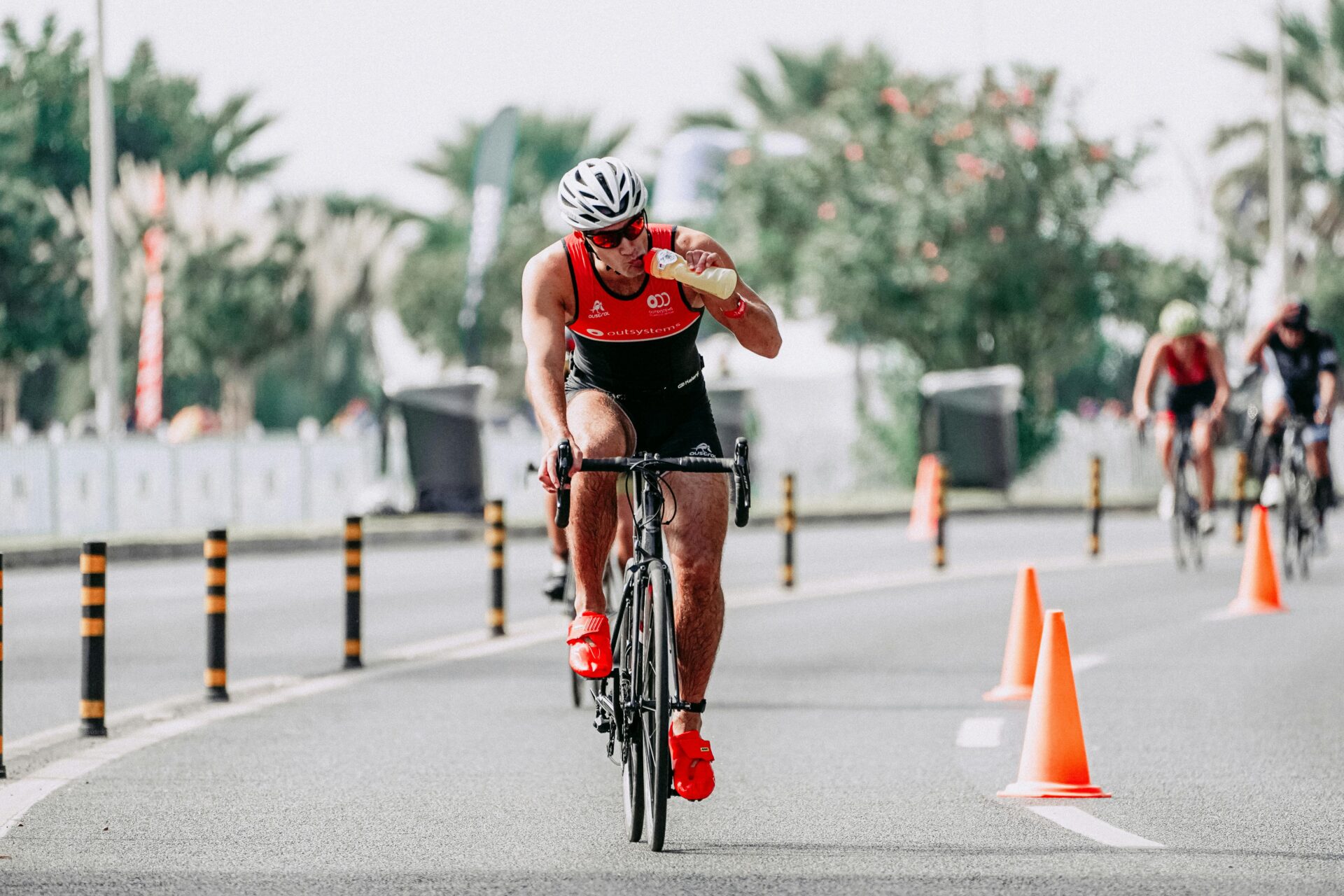
In many ways, these events resemble large-scale film productions. Everything is meticulously scripted—even what appears spontaneous. Stunt timing, camera angles, social media rollouts, and athlete appearances are scheduled with precision. Broadcast crews use drones, GoPros, body-mounted cameras, and helicopter rigs to capture footage that maximizes emotional and visual impact.
What’s more, these companies often run simultaneous international circuits, coordinating multiple events in different countries, each tailored to local tastes but consistent in brand ethos. That requires not only logistical excellence but cultural fluency. Teams must understand how motorsport fandom varies across regions, how to navigate local regulations, and how to ensure the brand doesn’t lose its voice while adapting to diverse markets. Much like a scalp micropigmentation artist in Raleigh who must combine technical skill with a deep understanding of individual client needs, these brands must blend global consistency with regional authenticity to connect with diverse audiences.
This backend machinery is supported by years of relationship building. Energy drink companies have cultivated deep ties with athletes, sports federations, and event organizers. They offer sponsorships, career development, and media exposure in exchange for loyalty and access. As a result, many top-tier athletes in motocross, rallying, or freestyle sports see these brands not just as advertisers but as career partners and patrons of their sport. These relationships are as foundational to success as reliable roofing in Tampa, FL is to protecting a home—structurally critical and built to withstand pressure over time.
Cultural Influence and the Future of Motorsport Branding
As energy drink companies continue to evolve their involvement in motorsports, their influence is reshaping not only the way events are produced but how motorsports are perceived culturally. Traditionally, motorsports were siloed into niches—F1 for elites, motocross for rural thrill-seekers, drifting for underground communities. What these brands have done is flatten the cultural barriers, making extreme motorsports aspirational and accessible to a wider audience.
By associating their brands with action sports, rebellion, and innovation, energy drink companies have managed to redefine what motorsport fandom looks like. The classic image of the motorsport fan as a garage-dwelling gearhead has been expanded to include urban youth, fashion-forward influencers, and digital content creators. Events are now just as likely to be covered by lifestyle blogs and streetwear platforms as they are by traditional sports media. Even sectors like tree service in Tampa are seeing brand partnerships with influencers to stay culturally relevant—showing how far lifestyle integration has come in marketing.
Social media plays a critical role in this shift. Short-form content, viral stunts, and immersive behind-the-scenes videos amplify the reach of each event, allowing energy drink companies to create a continuous feedback loop between live action and online engagement. Fans can interact with athletes, share highlights, and even influence event formats through online polls or challenges.
Looking ahead, the role of these companies in shaping motorsport could grow even more profound. As sustainability becomes a pressing issue, we may see energy drink brands investing in electric motorsport platforms, drone racing, and hybrid formats that blend physical sport with augmented reality or gaming. These companies thrive on the cutting edge, and they have the budget and ambition to experiment where traditional sports leagues might hesitate. This shift requires the same adaptability and forward-thinking strategy as a personal injury lawyer in Chicago navigating evolving legal landscapes—remaining relevant while protecting core values.
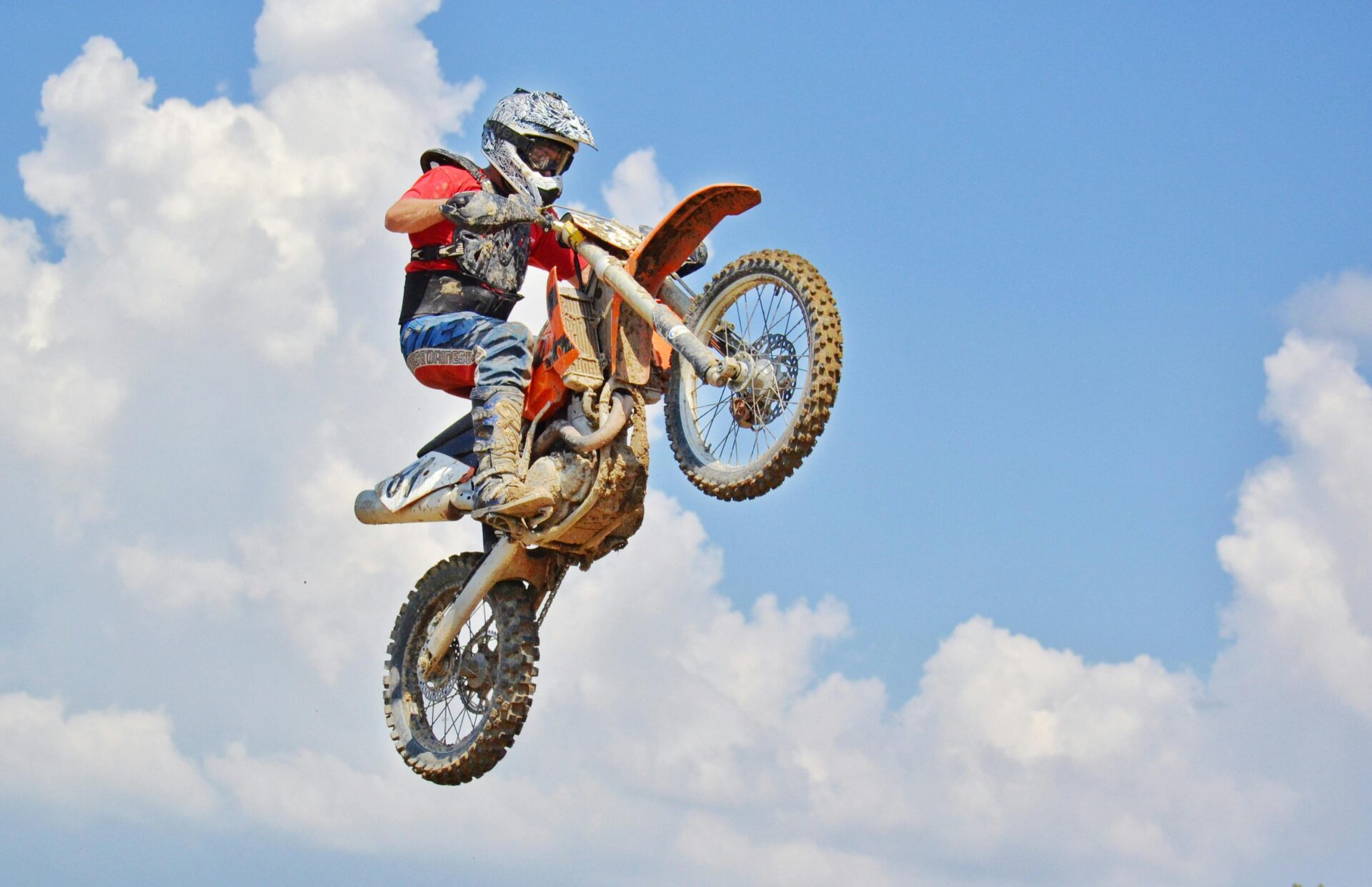
Ultimately, the growing dominance of energy drink companies in motorsport event creation speaks to a larger trend in contemporary branding. Consumers no longer just buy products—they buy experiences, values, and communities. By owning every aspect of the motorsport narrative, from track design to post-race afterparties, these companies have inserted themselves into the very heart of modern fan culture. Whether they’re bundling limited-edition winter apparel with race tickets or releasing immersive VR pit-lane experiences, these brands understand that emotional connection and exclusivity drive loyalty.
In conclusion, energy drink companies have become pivotal architects of modern motorsport events, blending business acumen, marketing savvy, and cultural influence to redefine how these competitions are created and experienced. Their role behind the scenes is as dynamic and fast-paced as the races themselves, shaping the future of motorsport in profound and lasting ways. From the planning of live-streamed stunts to VIP boxes stocked with milk chocolate edibles, their role behind the scenes is as dynamic and fast-paced as the races themselves—shaping the future of motorsport in profound and lasting ways.
