From Local Pitches to Global Fame: Stories of Portuguese Clubs Making an International Impact

Portugal’s football legacy is often associated with iconic players and passionate supporters, but behind the global fame of Portuguese football lies a deeper story—one rooted in the clubs that shaped the sport’s development both at home and abroad. From small local pitches surrounded by village cafés to massive European stadiums echoing with the chants of tens of thousands, Portuguese clubs have charted an extraordinary journey. Their evolution reflects the country’s history, its regional identities, and its enduring commitment to football as both culture and craft. The global impact of Portuguese clubs is not an accident but the result of decades of innovation, resilience, and an unwavering belief in the power of the beautiful game. As these clubs transitioned from local institutions into international pillars of player development and competitive excellence, they carried with them stories of transformation, struggle, and triumph. Understanding their journey provides insight into why Portugal—despite its small population—remains one of the most influential forces in world football.
The Roots of Local Identity and the Rise of Portuguese Football Culture
The story of Portuguese clubs making their mark on the world begins at home, on the grassroots pitches that formed the heart of local communities. Long before global television broadcasts and commercial sponsorships turned football into a transnational spectacle, the sport thrived in towns and neighborhoods where clubs were more than sporting entities—they were extensions of community identity. From Lisbon to Porto, Braga to Setúbal, the early clubs represented parishes, worker associations, and social groups united by their passion for the game. Football quickly became a communal ritual, a weekly gathering point that brought together families, traditions, and generations.
Clubs like Sporting CP, Benfica, and FC Porto may eventually have grown into international giants, but their earliest years reflected the humble realities of Portuguese society. Matches were played on uneven dirt fields marked by rocks and makeshift goalposts, with players often balancing football with full-time jobs. During colder months, players sometimes trained in whatever clothing they had available, including early forms of winter apparel. Yet even in these modest beginnings, the seeds of future excellence were already visible. The emphasis on technical skill, creativity, and tactical intelligence—hallmarks of Portuguese football—developed naturally in these local environments, where space was limited and improvisation was essential.
By the mid-20th century, football had become a defining cultural force in Portugal. Clubs served not only as sporting institutions but as symbols of regional pride, political identity, and social belonging. Supporters stood by their teams through times of financial hardship, dictatorship, and social change. The competition among major cities fueled rivalries that elevated the level of play, pushing clubs to invest in better coaching, improved facilities, and more advanced youth training.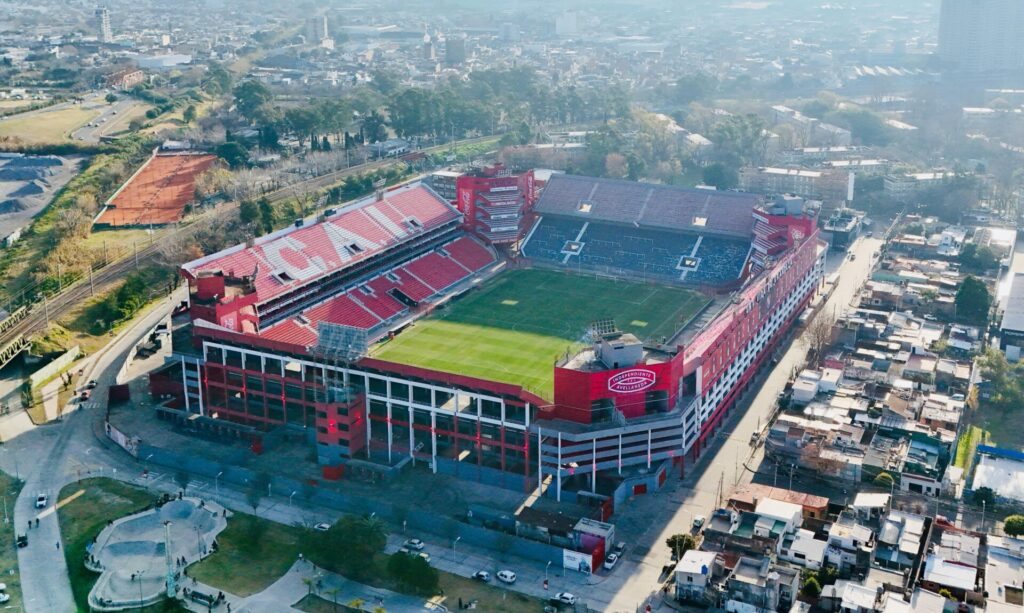
This foundation allowed Portuguese football culture to flourish, producing generations of skilled players who embodied the technical brilliance and tactical discipline that would later impress the world. The clubs’ ability to nurture talent within tight economic constraints became one of their greatest strengths. Before long, what had begun as local community institutions evolved into talent factories capable of shaping global football. The deep roots of local identity formed the bedrock upon which these clubs built their international reputations, proving that even the most modest beginnings can produce extraordinary outcomes.
Talent Factories: How Portuguese Clubs Became Global Player Development Powerhouses
As Portuguese clubs matured, they cultivated a remarkable reputation for producing some of the world’s most gifted footballers. This transformation was not the result of chance but of a deliberate and systematic commitment to youth development. Portuguese academies emphasized technique over physique, intelligence over power, and creativity over rigid structure. These priorities aligned perfectly with the Portuguese playing philosophy, which favored ball control, fluid passing, and tactical versatility.
Academies such as Sporting CP’s Alcochete, Benfica’s Seixal, and FC Porto’s Olival soon became internationally renowned. Sporting, in particular, developed a reputation for shaping global stars, producing players like Cristiano Ronaldo, Luís Figo, Nani, and João Moutinho. Benfica, meanwhile, established a strong pipeline of disciplined, tactically polished talent, exporting players to elite clubs across Europe. FC Porto took a different but complementary approach, blending youth development with strategic recruitment, turning overlooked potential into world-class performers.
Portugal’s success in talent development is deeply tied to its culture of opportunity and discovery. Young players are encouraged to express themselves, take risks, and experiment—traits that often set Portuguese graduates apart in international competitions. Coaches place heavy emphasis on decision-making and game intelligence, ensuring that players graduate from academies not merely as athletes but as complete football thinkers.
The economic realities of Portuguese football also shaped its developmental model. With limited financial resources compared to wealthier European leagues, clubs relied heavily on youth production and intelligent transfers. Rather than viewing this as a constraint, Portuguese clubs turned it into an advantage. They became masters of identifying undervalued talent, refining it, and showcasing it on the European stage. Success in UEFA competitions amplified the visibility of their players, leading to lucrative transfers that sustained club finances.
Over time, this model elevated Portuguese clubs into global hubs of recruitment and training. Scouts from around the world now monitor Portuguese leagues closely, knowing that even smaller clubs like Braga, Vitória Guimarães, and Rio Ave consistently develop polished players. Portugal’s reputation became so strong that international prospects began migrating to Portuguese academies, drawn by the country’s proven ability to turn potential into success.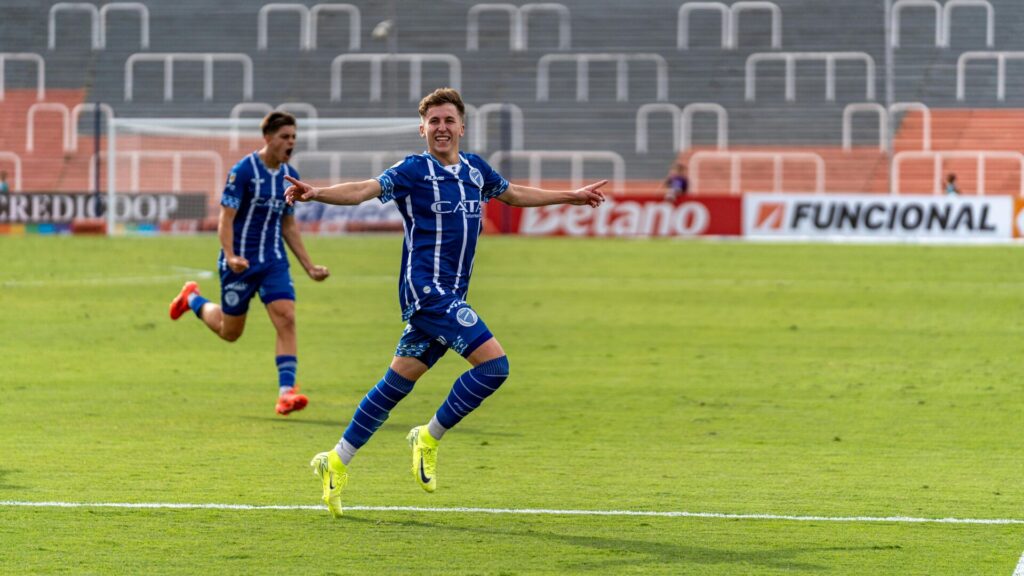
The result is a continuous cycle of growth: clubs develop players, players succeed abroad, financial returns support further development, and the global prestige of Portuguese football rises. This system has made Portugal one of the most influential exporters of football talent in the world, a remarkable achievement for a nation of its size.
European Glory and International Recognition: How Portuguese Clubs Conquered the Global Stage
While developing talent laid the foundation for global impact, it was the competitive success of Portuguese clubs in international tournaments that cemented their place in world football. The European stage—particularly UEFA’s major competitions—became the arena where Portugal’s football philosophy, tactical intelligence, and innovative strategies were tested against Europe’s best.
The first major breakthrough came in 1961 and 1962, when Benfica, led by the legendary Eusébio, won back-to-back European Cups. These victories were transformative. They announced to the world that Portuguese clubs were not merely participants in European football—they were contenders. Benfica’s success showcased the country’s technical and athletic potential, while Eusébio’s electrifying performances elevated him to global stardom. This era marked the beginning of Portugal’s rise as an international football powerhouse, demonstrating that brilliance could emerge from even the smallest corners of Europe.
In the decades that followed, Portuguese clubs continued to make their presence felt. Sporting CP reached European finals, while FC Porto delivered some of the most memorable achievements in modern football. Porto’s unexpected UEFA Champions League triumph in 2004 under José Mourinho remains one of the most remarkable underdog victories in tournament history. Their success did not rely on superstars or massive budgets but on discipline, tactical mastery, and collective strength. Alongside Champions League glory, Porto captured multiple UEFA Cup and Europa League titles, further demonstrating their resilience and international relevance.
Beyond the big three, clubs like Braga also made significant strides, reaching the Europa League final in 2011 and consistently performing well in European competitions. These achievements underscored the depth and competitiveness of Portuguese football, proving that international success was not confined to a handful of elite clubs.
European competitions offered more than just trophies. They provided Portuguese clubs with invaluable global exposure, attracting scouts, sponsors, and investors. The visibility gained from these performances amplified their brands worldwide, expanding their fanbases and increasing their influence on the global stage. The sustained European success of Portuguese clubs showed that tactical sophistication, intelligent recruitment, and strong developmental systems could rival—even surpass—the financial might of larger leagues.
Today, Portuguese clubs continue to command global respect. Their ability to consistently challenge Europe’s giants, produce elite players, and maintain competitive balance highlights their unique combination of tradition and innovation. In a football world increasingly driven by money, Portuguese clubs stand as a testament to the power of strategic excellence.
Conclusion: A Lasting Legacy from Local Fields to Worldwide Influence
The journey of Portuguese clubs from local community institutions to global football forces is a story of vision, resilience, and exceptional commitment. These clubs grew from humble beginnings—dusty pitches, small crowds, and limited resources—into internationally respected organizations capable of shaping the future of the sport. Their global impact is a testament to the strength of Portuguese football culture, which values creativity, intelligence, and dedication above all else.
From producing world-class players to achieving European triumphs, Portuguese clubs have consistently punched above their weight. Their youth academies remain among the best in the world, their teams compete fiercely on the international stage, and their philosophies influence football far beyond Portugal’s borders. They demonstrate that true greatness does not require vast financial resources—it requires vision, community, and an unbreakable belief in excellence.
As Portuguese football continues to evolve, its clubs will undoubtedly write new chapters in this ongoing story. Their legacy, however, is already secure: they have transformed local passion into global influence, leaving a lasting imprint on the world of football that will endure for generations.
