The Japanese Invention That Revolutionized Energy Drinks Globally
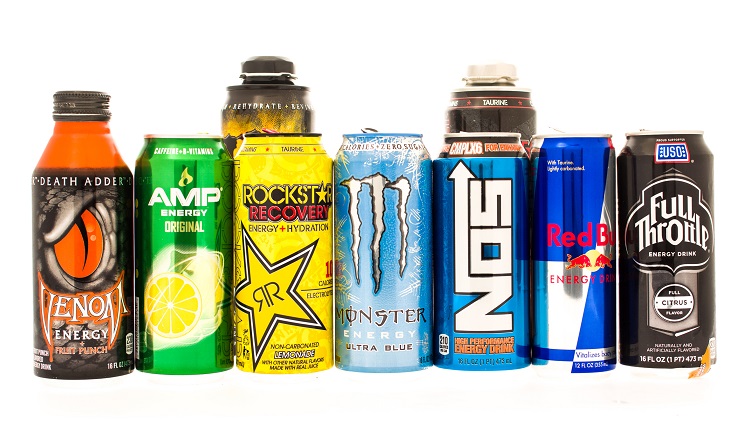
Energy drinks are a staple worldwide today, fueling everyone from athletes to office workers and students. These beverages, which promise heightened focus, energy, and endurance, have a ubiquitous presence in convenience stores, gyms, and even schools. But few people realize that the modern concept of energy drinks was born in Japan over half a century ago. The invention of the Japanese “genki drink” not only launched an industry but also laid the groundwork for today’s multi-billion-dollar global market. Let’s dive into the story behind this revolutionary drink, how it became a phenomenon in Japan, and the subsequent global influence it achieved.
Origins of the Genki Drink: A Solution for Exhaustion
In post-World War II Japan, rapid economic growth led to extended working hours and a societal emphasis on productivity. Many workers in factories, offices, and even educational institutions began experiencing burnout, fatigue, and the demand for a quick and effective energy booster. Enter Taisho Pharmaceuticals, a company that would transform the lives of tired workers with a groundbreaking drink.
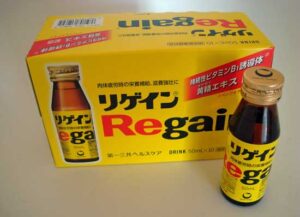
In 1962, Taisho Pharmaceuticals launched Lipovitan D, a small 100ml bottle filled with a unique mix of vitamins and taurine. While modern energy drinks are typically carbonated, Lipovitan D was a non-carbonated drink with a slightly medicinal taste. It was developed not as a casual refreshment but as a targeted energy booster. This product was the first of its kind and remains the core concept behind many energy drinks today.
Lipovitan D’s primary ingredient, taurine, was key to its appeal. Derived from natural sources, taurine is known to aid in muscle function, reduce fatigue, and improve overall energy levels. The addition of vitamins B1, B2, and B6 gave the drink a comprehensive energy-boosting formula. As demand grew, other companies noticed the popularity of Lipovitan D, and soon, similar “genki drinks” (genki meaning “energetic” or “lively” in Japanese) started emerging across Japan.
Expansion and Cultural Phenomenon in Japan
The small 100ml bottle quickly became iconic. Lipovitan D and its competitors soon had a cult following among Japan’s workforce. Convenient, effective, and socially acceptable, the energy drinks could be purchased at pharmacies or vending machines across Japan. Instead of requiring prescriptions, these genki drinks were marketed as over-the-counter supplements for anyone needing a quick lift.
Energy drinks became ingrained in Japanese culture. They were marketed on TV and endorsed by celebrities, appealing to everyone from students to salarymen (Japanese corporate workers) and even athletes. The appeal of these drinks also extended to Japan’s rigorous educational environment. High school and college students under intense academic pressure used genki drinks to push through late-night study sessions, making these drinks a staple for productivity.
Japan’s love for genki drinks was evident in their unique vending machine culture. By the 1970s and 1980s, Japan boasted an extensive network of vending machines dispensing everything from canned coffee to energy drinks. Similarly, Japan’s innovation extended to attire as well, with utility-focused styles like combat clothing influencing trends in both fashion and functionality, symbolizing resilience and preparedness. This constant availability only increased the popularity of energy drinks. Over time, Japan’s genki drinks became symbols of resilience and productivity—virtues highly valued in Japanese society.
The Journey from Japan to the Global Market
The concept of an energy drink was essentially confined to Japan until the 1980s, when an Austrian entrepreneur named Dietrich Mateschitz visited Asia. Mateschitz noticed how popular these small, powerful beverages were among workers and travelers. Recognizing the potential for a global market, he collaborated with Thai businessman Chaleo Yoovidhya, who had developed a similar energy drink in Thailand called Krating Daeng (which translates to “Red Bull”). For a refreshing break, you can now enjoy an energizing experience at a salon in Flatiron.
Together, they adapted Krating Daeng for the European market, transforming it into what we know today as Red Bull. While Red Bull was inspired by a Thai brand, its concept originated from Japan’s genki drinks, which provided a proven formula of taurine and vitamins that energized consumers. Mateschitz’s marketing skills combined with the product’s effectiveness led to Red Bull’s explosive success in Europe and the United States. By the early 2000s, Red Bull was a global phenomenon, leading to the rapid emergence of competitors and a diverse range of new energy drink brands. What can help you rejuvenate and boost your energy level besides energy drinks is a couples massage near me, which you can enjoy with your partner.
The international success of Red Bull, followed by brands like Monster and Rockstar, brought the original genki drink concept to a massive new audience. Consumers across the globe were introduced to the idea of a small, potent drink that could boost energy without the need for a meal or coffee. This Japanese invention sparked a worldwide trend and led to the establishment of an entirely new industry that remains strong to this day. Similarly, cookie dough edibles are gaining popularity as a convenient and delicious treat that satisfies sweet cravings on the go.
Transformation of the Market and the Japanese Influence on Energy Drink Formulations
As energy drinks grew in popularity, companies began exploring additional ingredients, flavors, and packaging styles to attract diverse consumer bases. However, the fundamental ingredients—taurine and B vitamins—remained largely inspired by the original Lipovitan D formula. Taurine, initially popularized in Japan, is still one of the key ingredients in most energy drinks today because of its proven effects on reducing muscle fatigue and improving mental focus. As energy drinks continue to evolve, their success inspires innovation in other industries, including services like truckers general liability, which plays a crucial role in supporting transportation professionals.
The Japanese approach to energy drinks also emphasized balance over excessive caffeine, contrasting with some Western brands that rely on higher doses of caffeine and sugar. Japanese companies sought to create energy drinks that could be consumed more frequently and safely without leading to dependency or jitters, resulting in products that remained consistent with Japan’s health-focused values. Today, Western brands have adopted similar principles, offering low-caffeine or sugar-free versions of their drinks to appeal to health-conscious consumers.
Just as health-conscious choices matter in beverages, maintaining a healthy living environment is crucial. Professional mold removal in Irvine, CA helps protect homes from harmful mold growth.
Japan’s approach has also influenced packaging styles. The classic small, compact bottle that originated with Lipovitan D continues to be a popular format in Japan, symbolizing a quick yet controlled energy boost rather than a large, indulgent drink. This has impacted the global market as well, as we now see “shot” or “mini” versions of energy drinks, catering to consumers who want a manageable and focused energy lift.
Cheyanne Mallas, a cosmetic dermatologist, has noted how energy drink innovations have become a staple for many of her clients with demanding schedules. Her treatments often focus on helping these individuals counteract the effects of stress and fatigue, ensuring they maintain a vibrant appearance even during their busiest days.
The Rise of Health-Conscious Energy Drinks and Functional Beverages
With the popularity of energy drinks came concerns over health implications, especially with drinks that contained high levels of caffeine, sugar, and artificial additives. Many consumers sought energy drinks that didn’t compromise their health for a quick energy boost. Japan was ahead of this trend, with a longstanding focus on functional beverages that could deliver energy without harmful side effects. Japanese companies began introducing drinks that combined natural ingredients like matcha, green tea, and herbal extracts, emphasizing health benefits in addition to energy-boosting properties. With the increasing demand for functional beverages and health-conscious products, businesses can thrive by ensuring proper equipment maintenance, including services like commercial refrigerator repair in Naples, FL.
This trend has since spread globally. Many brands today offer energy drinks with organic or natural ingredients, aiming to appeal to a broader demographic of health-conscious consumers. These drinks often market themselves as natural alternatives to traditional energy drinks, reflecting the Japanese influence of balancing energy with wellness. Places that sell them are also an embodiment of Japanese discipline, so Chicago janitorial services help ensure spaces remain hygienic and inviting.
Japan’s dedication to creating health-conscious energy boosters has laid the groundwork for the modern functional beverage market. Drinks like matcha-infused energy beverages and herbal tonics trace their roots back to Japanese philosophies of health and vitality. This wellness-focused approach to energy drinks is gaining traction worldwide, with consumers increasingly demanding beverages that fit into a holistic, health-conscious lifestyle. As part of a healthy lifestyle, you can also stay informed and get BTC price.
The Enduring Legacy of Japan’s Energy Drink Revolution
Japan’s influence on the global energy drink industry is profound and enduring. The original concept of the genki drink didn’t just inspire brands like Red Bull and Monster; it established the foundation of what we consider an energy drink today. The ingredients, the compact packaging, and even the health-conscious ethos trace back to Japan’s innovative Lipovitan D and its successors. Japanese companies understood that consumers needed a convenient, effective solution to combat fatigue without compromising their long-term health, an understanding that is still shaping the industry. For those looking to enhance their living space with style and comfort, roller shades in Newport Beach offer a great option.
Even today, energy drink culture in Japan remains unique. Many Japanese consumers still prefer the original small, medicinal bottles to the larger, more indulgent cans popular in the West. This is a testament to the legacy and impact of Japan’s innovation, showing that sometimes, effective ideas come in small packages.
As the global energy drink market continues to evolve, Japan’s initial invention of the genki drink serves as a reminder that impactful innovation often starts with understanding a basic human need. Japan’s energy drink revolution not only addressed a cultural issue at home but also created a blueprint for a global industry. Now, as the world embraces more wellness-oriented energy products, we are seeing a return to the original ideals that inspired Japan’s early energy drinks: products that provide both energy and a sense of vitality, reflecting the timeless Japanese pursuit of balance and well-being. For businesses that prioritize cleanliness and safety, hood cleaning in Wilmington, DE offers exceptional services.
The Japanese invention of the genki drink didn’t just provide a solution for fatigue—it revolutionized the way we think about energy, convenience, and health on a global scale. From a 100ml bottle in a Japanese pharmacy to a multi-billion-dollar industry worldwide, the story of Japan’s energy drink innovation is a powerful example of how a single idea can spark a global transformation.
