Train Like a Pro: The Top Workouts Every Soccer Player Needs
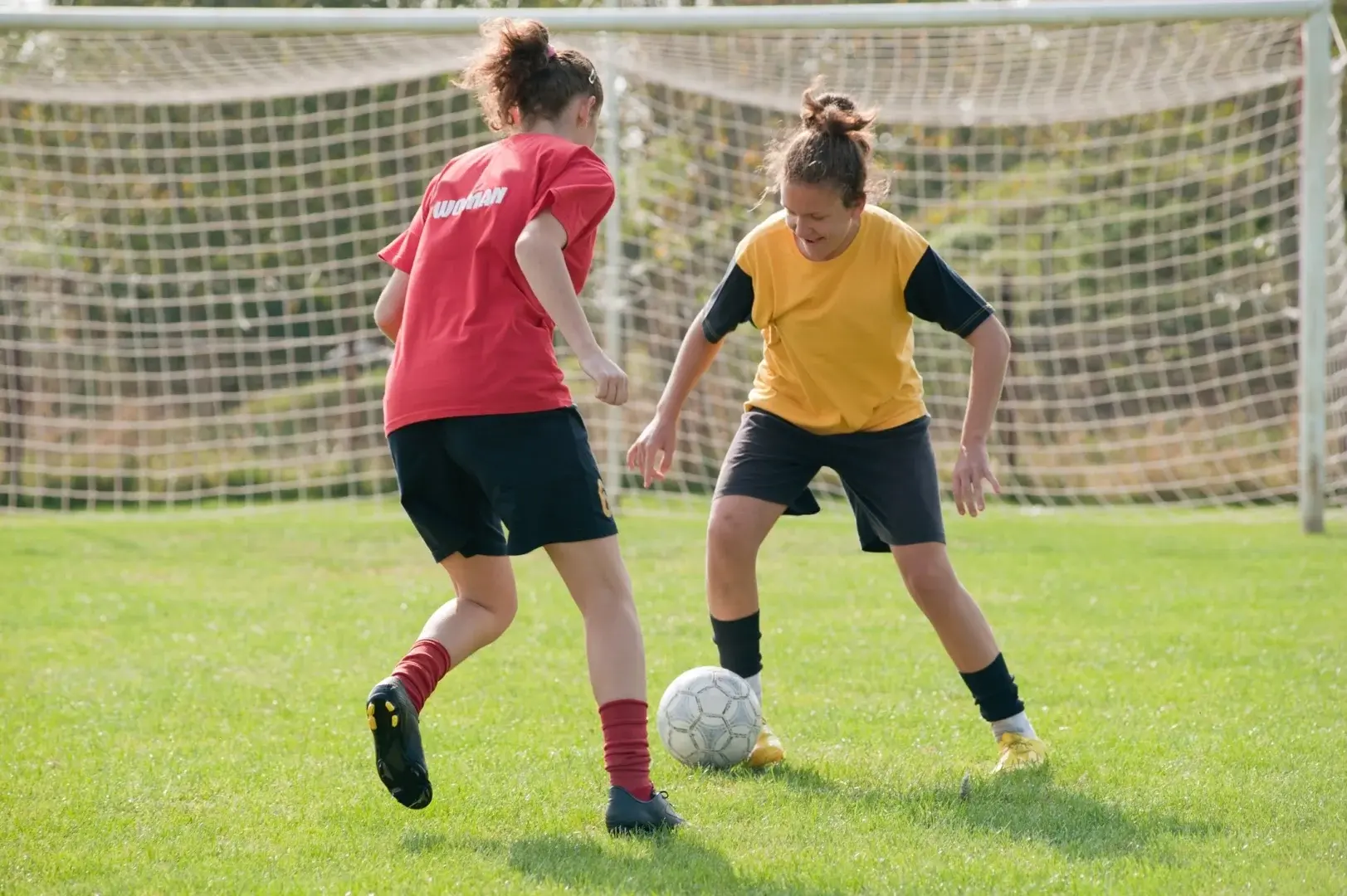
Every soccer player wants an edge—whether it’s beating an opponent to the ball, lasting longer through the final whistle, or firing a shot that can’t be stopped. But raw talent alone doesn’t cut it. What separates elite players from the rest is how they train. Training like a pro means hitting every aspect of your game—speed, strength, endurance, agility, and control—with purpose and intensity. It’s about building a body that performs under pressure, a mind that stays sharp, and a skill set that holds up no matter the level.
Professional soccer players don’t just rely on match play to stay fit. Their training is a mix of gym work, field drills, and recovery, all tailored to match the demands of the sport. From the outside, the game looks fluid and spontaneous, but underneath is a foundation of focused physical preparation. If you want to train like a pro, you need to understand how those workouts are structured—and why each one matters.
Building a Base: Endurance That Doesn’t Break

Soccer is a game of continuous motion. Over 90 minutes, players cover anywhere from 7 to 10 miles, mixing sprints, jogs, and sudden stops. Without a solid endurance base, your performance crashes halfway through the match. This is why aerobic conditioning is non-negotiable for serious players.
Professional players often do steady-state cardio like long-distance running during the off-season or early preseason to build that base. Once the season gets closer, training shifts toward high-intensity interval runs that better mimic match play. Intervals might involve sprinting for 30 seconds, jogging for a minute, and repeating for 20-30 minutes. These workouts train the heart to recover faster, boost VO2 max, and help you keep going when everyone else is gassed.
You’re not training just to run longer—you’re training to stay sharp when tired. Fatigue doesn’t just slow your legs; it clouds your decision-making. That’s why stamina work is just as mental as it is physical, and why the best players never skip it.
Speed That Separates
In soccer, being fast is more than just clocking a quick 40-yard dash. It’s about acceleration, explosiveness, and how quickly you can change direction. The difference between getting to a loose ball first or missing it by a second often comes down to how you train for speed.
Professional-level speed training starts with technique. Efficient movement patterns reduce wasted energy and lower the risk of injury. Drills focusing on knee drive, arm swing, and posture are common warmups before moving into short sprints or resisted runs using bands or sleds. These aren’t just random sprints either—they’re targeted efforts at maximizing burst over the first few steps, which is where most game-deciding moments happen.
Agility drills using cones or ladders improve foot speed and reaction time. And when paired with reactive cues—like a coach’s call or a moving object—they become game-like and unpredictable, which is exactly how real soccer situations unfold. If you’re recovering from an injury or need expert advice, consulting a hip doctor in Medford can help you train safely and effectively. Training for speed isn’t just about being faster in a straight line. It’s about becoming more dangerous in every movement—cutting, stopping, turning, and exploding again with control.
Strength That Supports the Game
Strength training used to be taboo in soccer, with fears it would make players bulky or slow. That myth’s been buried. Now, every top team has a strength and conditioning coach ensuring their athletes build muscle that translates to better performance.
Lower body strength fuels power in sprints, jumping, and shooting, while core and upper body strength help maintain balance during challenges and protect against injury. Pro players spend time in the gym working on squats, lunges, deadlifts, and step-ups—moves that build functional strength through full ranges of motion. Even simple footwear like summer flats can impact lower body mechanics, making strength training even more essential. Core work focuses not just on abs but on full trunk stability, using planks, rotations, and anti-rotation holds.
But strength training doesn’t stop at the big lifts. It’s also about unilateral stability—training one leg at a time, which mirrors how most soccer moves happen. Add to that eccentric exercises, where muscles lengthen under tension, and you get bulletproof hamstrings and joints that can handle the stress of quick stops and starts. Strong players don’t just last longer—they dominate physically in one-on-one moments and recover faster from hits that would sideline someone weaker.
Technical Work That Never Stops
No amount of fitness can hide poor ball control. The best players train with the ball daily—not just for show, but to make every touch second nature. Technical drills sharpen your touch, passing, dribbling, and shooting until they become automatic, even under pressure.

Professionals often start their sessions with rondos or small possession games. These keep the tempo high and force quick decisions in tight spaces. Dribbling drills, passing combinations, and first-touch exercises come next, usually done at match speed. Repetition matters, but it’s quality repetition—focused, intense, with a purpose behind every pass or shot. For example, just like how focusing on the right details matters in training, finding the right auto insurance in GA is essential for your peace of mind.
Shooting drills don’t just involve standing and firing from distance. They’re dynamic—players move into space, receive under pressure, and finish quickly. The goal is to recreate game situations, where the window to shoot or pass is a second or two. Technical training isn’t glamorous, but it’s what turns raw athletes into real threats with the ball.
Recovery That Fuels Progress
Training hard only works if you recover smart. Pro players treat recovery as part of their routine, not an afterthought. Without it, gains disappear, fatigue builds, and injuries creep in.
Recovery starts with what you do right after a session. That means cooling down properly, rehydrating, and refueling with the right foods. Ice baths, massage, compression therapy, and mobility work all play roles in reducing soreness and speeding up repair. In certain environments, using materials like architectural vinyl wraps can also aid in creating spaces that enhance relaxation and recovery. Sleep, though, is the most underrated weapon—nothing replaces 8-9 hours of deep, uninterrupted rest.
Mobility sessions, yoga, and light stretching days also help with long-term flexibility and injury prevention. They may not look intense, but they’re crucial for staying on the field all season. Training like a pro means knowing when to push and when to pull back, listening to your body, and staying consistent over time.
The Mental Side of Elite Training
Physical ability sets the floor, but mindset sets the ceiling. What separates elite players from good ones is often how they approach the grind—how focused they stay, how they handle setbacks, and how they prepare mentally for matches.
Visualization, goal-setting, and performance review are all tools pros use to sharpen their mental game. They replay plays in their mind, break down their decisions, and learn from every mistake. Global hospitality and retail advisory services often utilize similar strategies to refine their approach and ensure success. Confidence isn’t fake bravado—it’s built through preparation and knowing you’ve done the work.

Professional training environments are competitive, structured, and intense. If you want to train like a pro, you need to bring that same discipline to your own sessions. That means showing up even when motivation is low, doing the extra reps, and treating every drill like it matters—because it does. The mental edge makes every workout count for more, and over time, that adds up. Just like in vacation rental property management, consistency and dedication lead to long-term success.
Bringing It All Together
No single workout turns you into a pro overnight. Becoming elite is about stacking good habits—training your endurance, refining your technique, building your strength, and sharpening your mind. Every session is a piece of the puzzle. And while natural ability plays a role, it’s the consistent, high-quality work behind the scenes that defines real progress.
Soccer is a demanding sport, physically and mentally. But that’s also what makes it rewarding. When you train like a pro, you’re not just preparing to play better—you’re building a mindset that carries over into everything else. So whether you’re chasing a starting spot, looking to go pro, or just want to elevate your game, remember this: your training should reflect the player you want to become, not the one you are right now. For those interested in improving their overall fitness, medical weight loss in Wisconsin can be an option to consider.
Push with intent. Recover with purpose. Improve relentlessly. That’s how pros train—and now, so can you.
