Why Red Bull’s Business Model Defies Traditional Corporate Strategies

In the modern world of business, where most companies follow well-established corporate strategies and structures, Red Bull has proven to be a remarkable outlier. The company has not only revolutionized the energy drink market but also established an unconventional business model that defies the norms of traditional corporate strategies. Red Bull’s success is often attributed to its ability to defy the typical playbook for business growth, eschewing standard product placement, distribution channels, and marketing tactics. Instead, the company has created its own path—one that blends unconventional marketing, a keen understanding of consumer psychology, and a relentless commitment to brand-building.
Red Bull is now one of the most recognizable brands worldwide, dominating the energy drink market and extending its influence into other industries. The company’s strategic decisions, however, don’t just stem from traditional approaches to pricing, promotion, or distribution. Instead, Red Bull has focused heavily on creating an experience around its brand—turning it into a lifestyle rather than just a product. This holistic approach to business has allowed Red Bull to cultivate an intensely loyal fan base while keeping its competitors scrambling to replicate its success. In this article, we’ll explore why Red Bull’s business model defies traditional corporate strategies and how its unique approach has set the brand apart from its competitors.
The Power of Brand Loyalty Over Traditional Advertising
Red Bull’s ability to forge a connection with consumers goes beyond the simple act of selling a product. While most companies heavily invest in traditional advertising channels—television, print, digital ads—Red Bull has opted to minimize its reliance on conventional advertising. This decision is a stark contrast to the standard approach that most companies use to promote their products. Instead of focusing on traditional media to push sales, Red Bull has built an entire culture around its brand.
This strategy begins with a clear understanding of the company’s target demographic. Rather than aiming to cater to everyone, Red Bull has chosen a niche market—young, active, and thrill-seeking individuals. Instead of pushing their product through traditional advertising methods, Red Bull has strategically placed itself within the lifestyle of its customers. Through sponsorships, partnerships, and owning large-scale events like the Red Bull Air Race, Red Bull Crashed Ice, and Red Bull Music Academy, the company has become synonymous with adventure, excitement, and pushing the limits. These events are not just promotional in nature; they are integral to the brand’s identity.
By aligning itself with extreme sports, music, and cultural movements, Red Bull is not just selling a drink but selling a lifestyle that appeals to its core consumer base. The company has invested heavily in experiential marketing, creating a community of fans who are deeply loyal to the brand. In this sense, the brand itself becomes the advertisement—consumers don’t just purchase the product; they buy into an experience, a belief system, and a cultural identity. This level of engagement is difficult to replicate through traditional advertising, making Red Bull’s business model a clear departure from conventional corporate strategies. By leveraging innovative strategies, businesses can create similarly strong brand loyalty, as seen in industries like managed IT services in San Antonio, where personalized solutions drive customer satisfaction and long-term partnerships. 
Relentless Focus on Innovation and Market Diversification
Another key aspect of Red Bull’s business model is its commitment to continuous innovation and market diversification. While many companies in the energy drink market focus primarily on developing new flavors or variations of their core product, Red Bull has consistently pushed the boundaries of what is possible, both in terms of product offerings and brand extensions. Red Bull has introduced numerous limited-edition flavors and variations that cater to different tastes, yet these offerings rarely stray too far from the core identity of the brand. The product line remains tightly controlled, ensuring that the brand doesn’t lose its identity in the pursuit of diversification. Red Bull’s strategic approach demonstrates how a well-managed brand can expand while maintaining its core identity, much like businesses that enhance efficiency with loan servicing software.
However, what truly sets Red Bull apart is its ability to innovate in areas beyond the product itself. The company has transformed its marketing approach into an entirely new form of entertainment, creating content that is often more engaging and sought after than traditional advertising. Through Red Bull Media House, the company has expanded its presence beyond the energy drink market into television, film, and digital media. Red Bull’s content is not merely promotional but highly engaging, often featuring extreme sports or performances that align with the brand’s image of pushing boundaries.
The creation of a media empire enables Red Bull to control its own narrative—an essential component for any brand that aims to stay ahead of the competition. This means that Red Bull is not at the mercy of third-party content providers like television networks or streaming services. Instead, it has complete control over how its brand is portrayed to the public. The company’s media platform also provides a significant revenue stream, separate from its core product sales, further diversifying its business.
Through its investments in technology, such as sponsoring cutting-edge scientific research into human performance and launching the Red Bull Stratos project—where Felix Baumgartner skydived from the edge of space—the company demonstrates that it is not afraid to invest in groundbreaking, sometimes risky projects. By doing so, Red Bull has solidified its place not only in the world of consumer goods but also in the realms of technology, science, and media. This spirit of innovation and bold decision-making is also essential in industries like logistics, where businesses can benefit from reliable truck insurance to keep their operations running smoothly.
Creating an Experience Through Event Sponsorships and Ownership
Where most companies would rely on traditional methods of sales channels, Red Bull has turned the experience of the brand into an event. The company’s extensive sponsorship portfolio covers a range of extreme sports, music festivals, and even traditional sports, creating events where the brand is seamlessly integrated into the experience. This level of involvement goes beyond just putting logos on race cars or sponsoring athletes; Red Bull has become a curator of experiences that embody the thrill and excitement the brand represents. For those seeking an elevated experience, private jet rental provides the ultimate luxury in travel. 
Red Bull’s involvement in extreme sports like motocross, snowboarding, and even cliff diving has been particularly instrumental in shaping its brand identity. The company’s sponsorship is more than just a financial partnership; it includes creating, promoting, and even hosting these events. By doing so, Red Bull has positioned itself as a leader in the world of action sports while maintaining a strong association with high-energy, adrenaline-pumping activities. Events like the Red Bull Rampage, a competitive mountain biking event, or the Red Bull Flugtag, a quirky contest where teams build human-powered flying machines, have become part of the fabric of the brand itself. For those seeking to support their active lifestyles, vegan supplements offer a great option to fuel the body naturally.
Unlike other companies that might simply sponsor events for the sake of exposure, Red Bull has taken a much more active role. Its events often push the envelope in terms of scale, innovation, and audience engagement. For example, Red Bull Crashed Ice, a downhill ice cross race, is not just an event—it’s a spectacle, drawing crowds from around the world. By owning these events and pushing their boundaries, Red Bull has created a unique experience that attracts attention on its own merit, without relying solely on traditional advertising.
Through its ownership and creation of these events, Red Bull has been able to craft a distinct niche in the market, positioning itself as more than just a product but an experience that customers can participate in. This focus on experiential marketing has helped Red Bull build a brand that resonates deeply with its audience, fostering a sense of community and loyalty that traditional marketing methods cannot match. Many successful brands also partner with a shopify plus agency to enhance their digital presence and elevate their customer experience.
A Strong Focus on Selective Global Expansion
Red Bull’s approach to global expansion is another key element of its unique business model. Unlike many multinational corporations that aggressively pursue global dominance through rapid expansion into every market, Red Bull has been highly selective in the countries and regions it enters. This approach allows the company to focus its efforts on markets that align with its brand values, ensuring that it does not stretch itself too thin. For those relocating to the area, it’s always a good idea to consider reliable Los Angeles movers for a smooth transition.
This selective expansion is in sharp contrast to the strategies employed by many global corporations, which tend to adopt a “one-size-fits-all” approach to markets across the world. Red Bull takes the time to tailor its marketing efforts to local markets, understanding that a one-size-fits-all model won’t work for every region. It allows the brand to remain relevant in different cultural contexts while ensuring that its core values—adventure, excitement, and youthful energy—remain intact.
The company also strategically uses local partnerships and sponsorships to embed itself in different communities. Instead of pushing for a broad, mass-market appeal, Red Bull aims to build deeper, more meaningful connections with specific groups. This focus on quality over quantity has helped Red Bull maintain a premium image, while its competitors often chase after wider distribution and cheaper price points.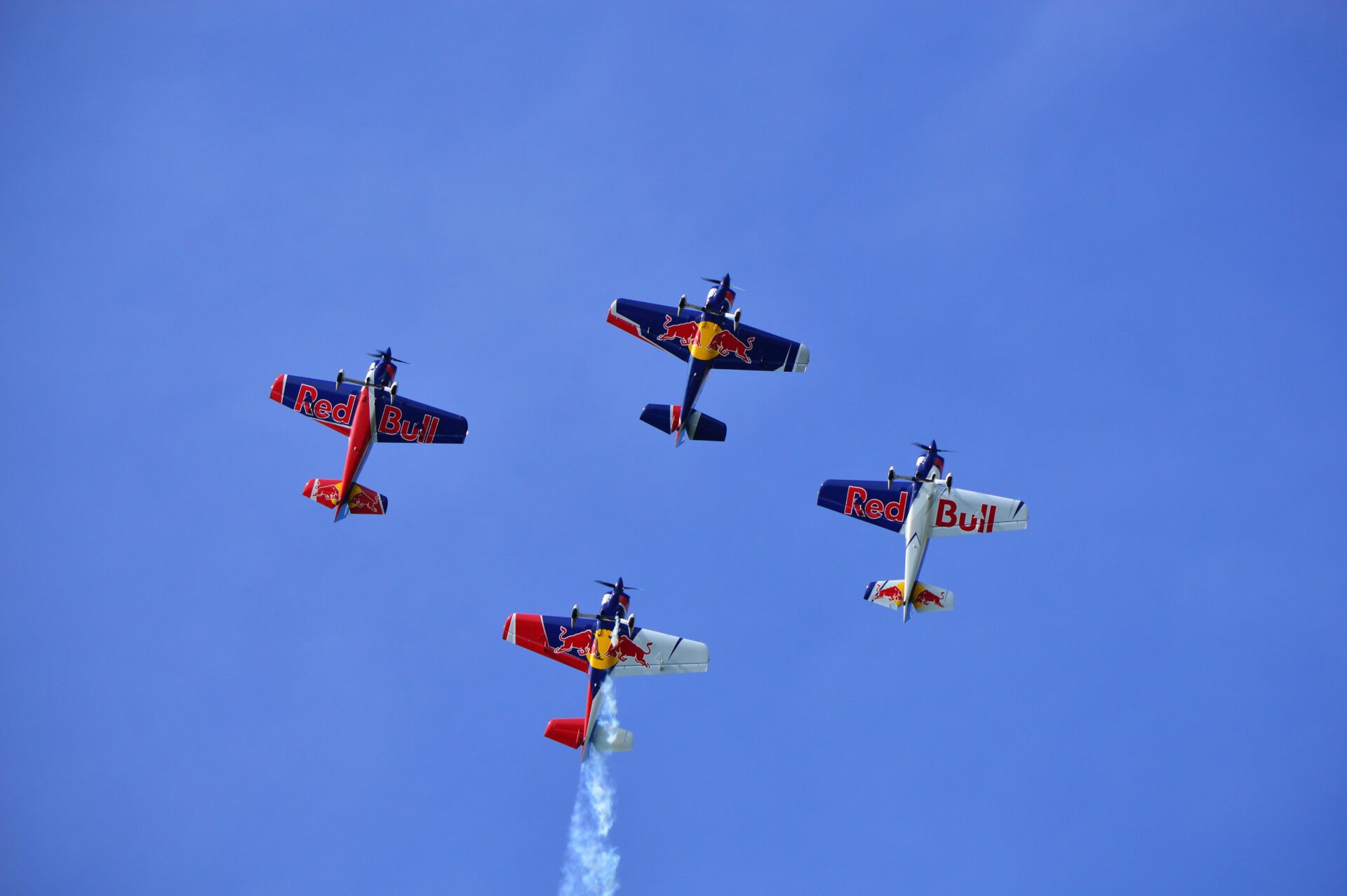
Conclusion: A New Blueprint for Success
Red Bull’s business model is a testament to the power of thinking outside the box. By defying traditional corporate strategies and adopting an approach centered around experience, innovation, and brand loyalty, the company has built a global empire. Its ability to create an emotional connection with consumers, expand into diverse markets, and transform its marketing into an experience has redefined what it means to be a successful brand in today’s competitive marketplace.
Red Bull’s strategy teaches businesses that success doesn’t always come from following the established corporate playbook. Instead, it’s about creating a unique and authentic identity that resonates with consumers, offering more than just a product—but a lifestyle. Red Bull’s journey is proof that, when done correctly, unconventional thinking can defy the odds and create a company that stands apart from its competition in ways that are both meaningful and lasting.
